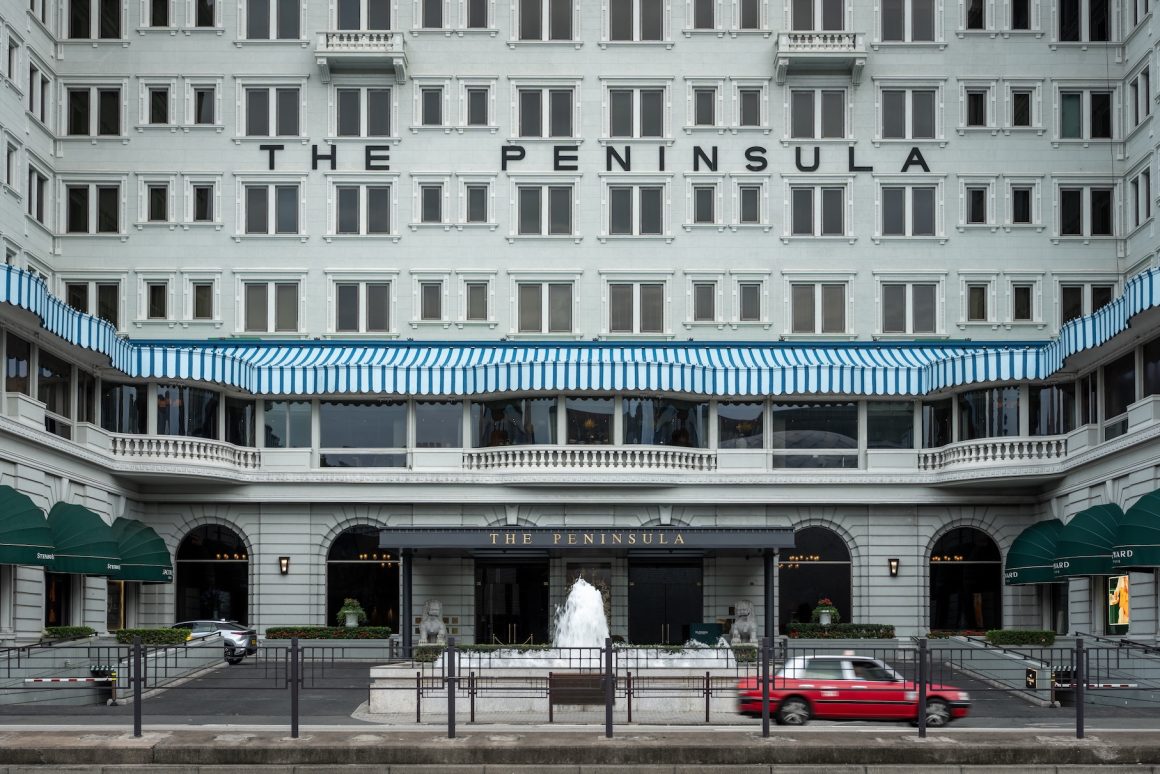

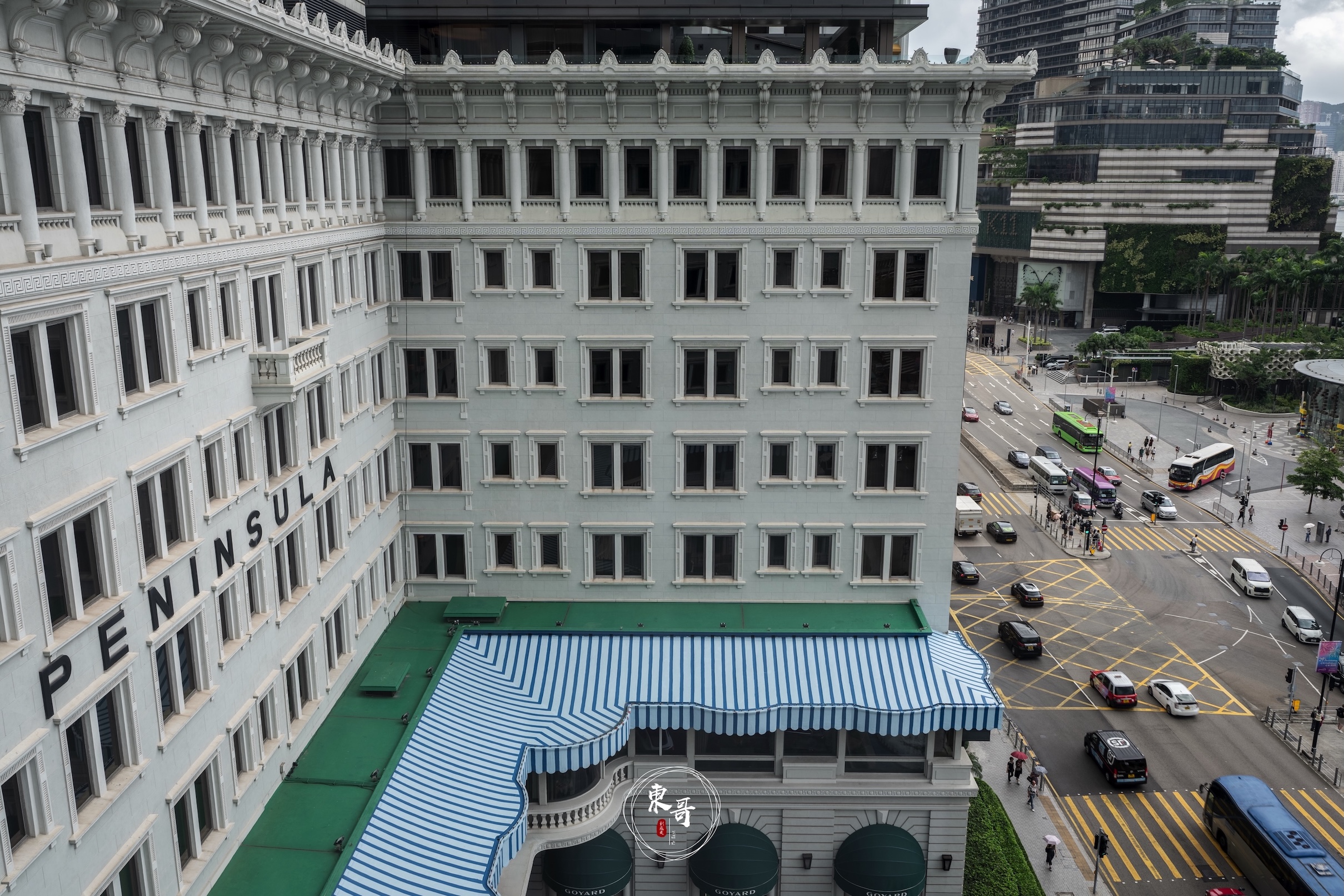
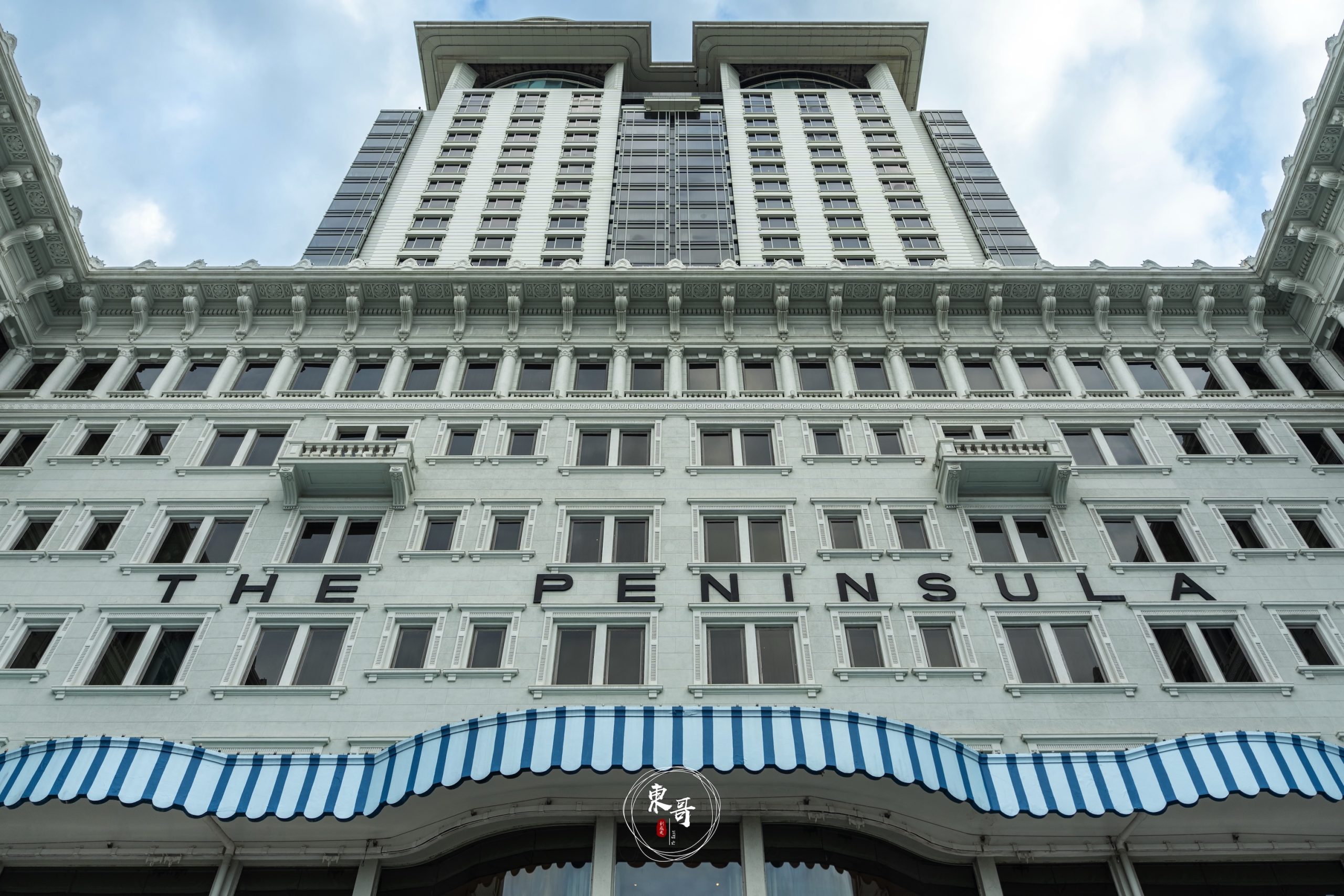

As the car wound through the bustling streets of Tsim Sha Tsui, the urban clamour and crowds slowly receded behind. When that building – a sublime fusion of Italian Renaissance elegance and Baroque flourishes – stood quietly before my eyes, I knew that a gentle and magnificent chapter of time was about to unfold. Born in 1928, The Peninsula Hong Kong has never been merely a top-tier hotel; it is a living urban monument, having silently gathered nearly a century of the city’s changing tides and historical glory.


The moment the car came to a stop, the doorman, dressed in the hotel’s iconic pure-white uniform and white top hat, approached with a warm smile. This classic attire, worn continuously since the hotel first opened its doors, has weathered nearly a hundred years without a trace of datedness. Instead, through decades of meticulous care, it has acquired a burnished, reassuring lustre.


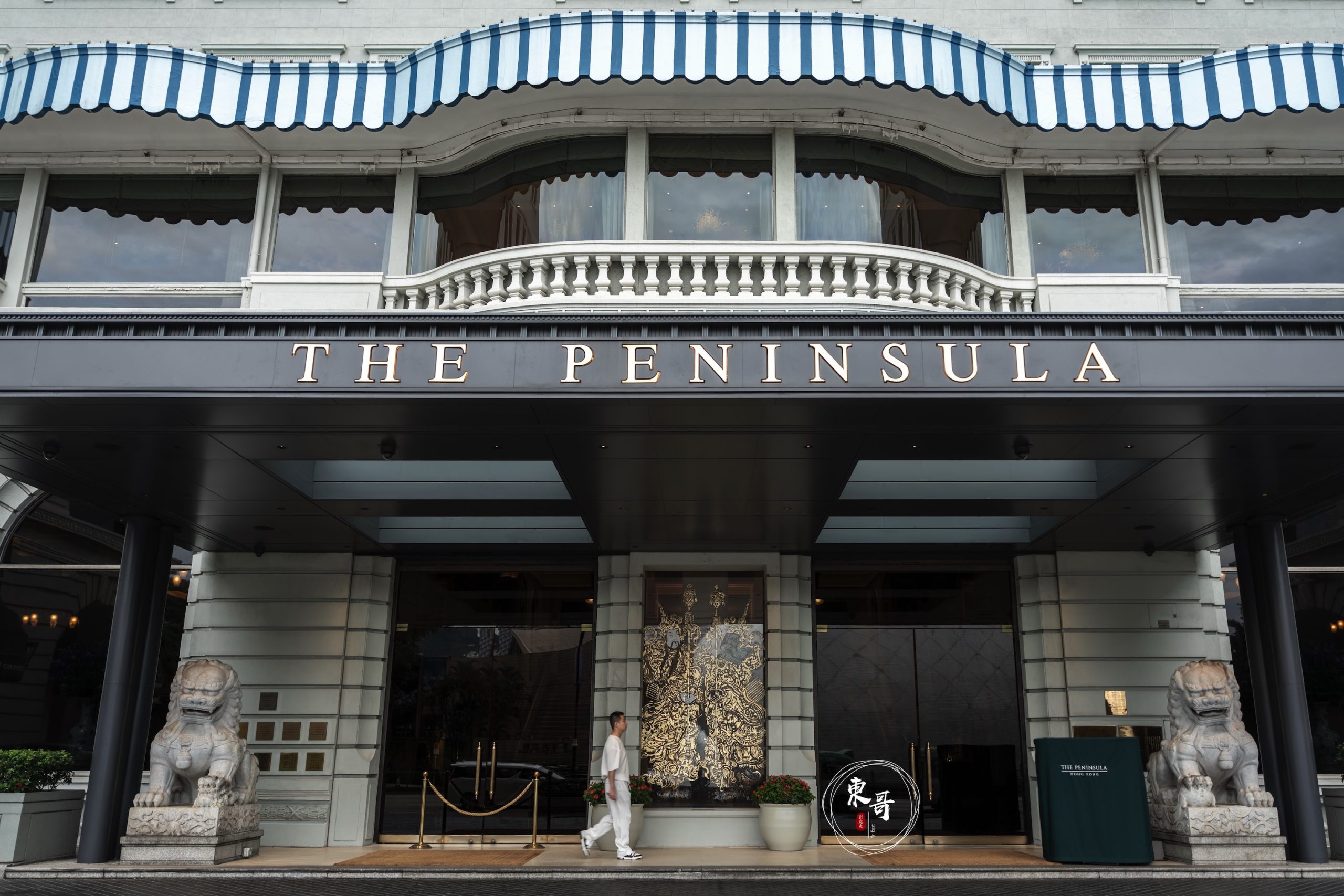
Pushing open the heavy glass doors, the lifelike Chinese door god motifs carved into the panels are particularly striking. For a century, they have stood silent guard here, protecting the peace within. Crossing that threshold feels like completing a wondrous fold in time – beyond the doors lies the hurried, neon-lit Tsim Sha Tsui of the 21st century, while within waits an artistic sanctuary where classical splendour and serene dignity are perfectly preserved.
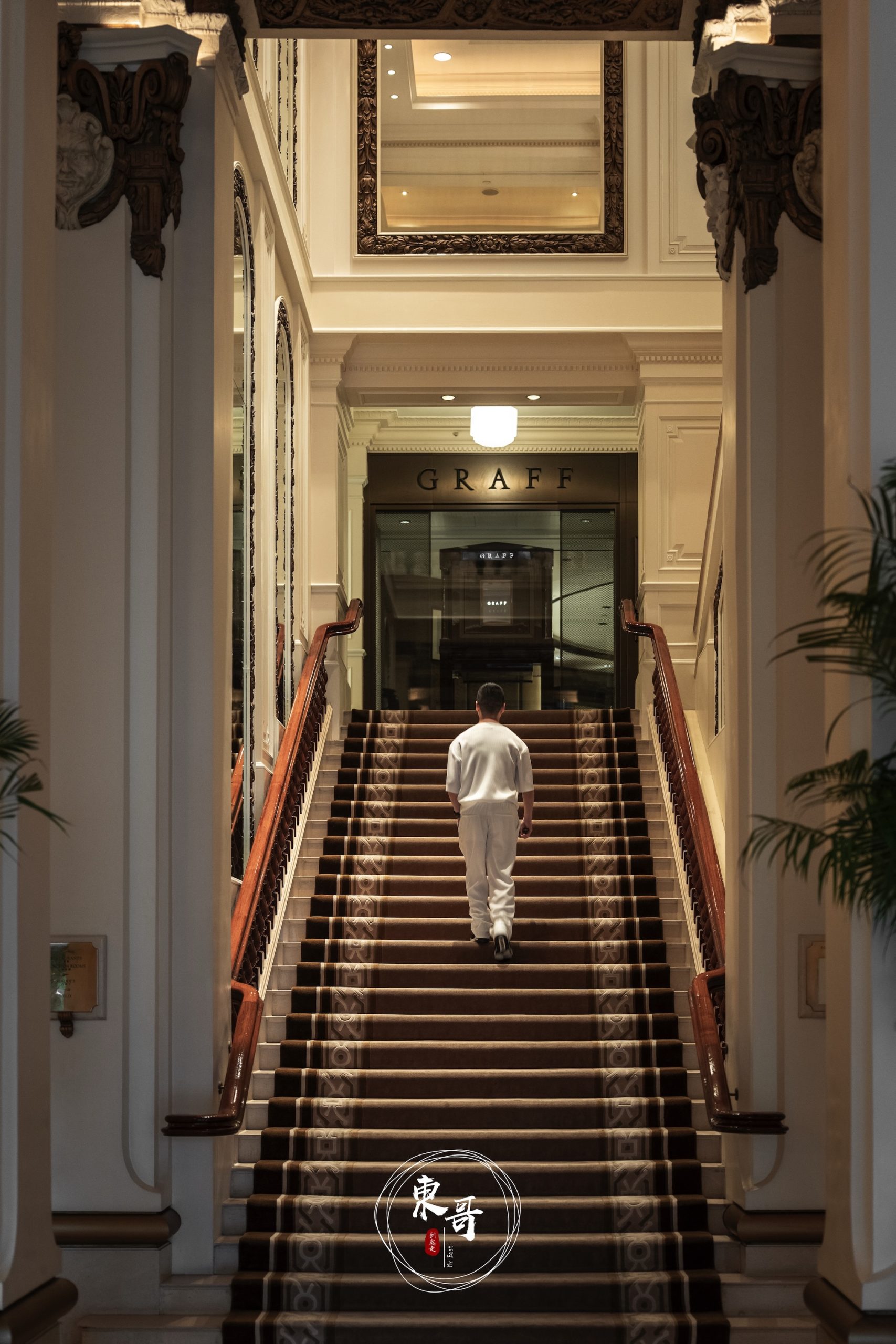
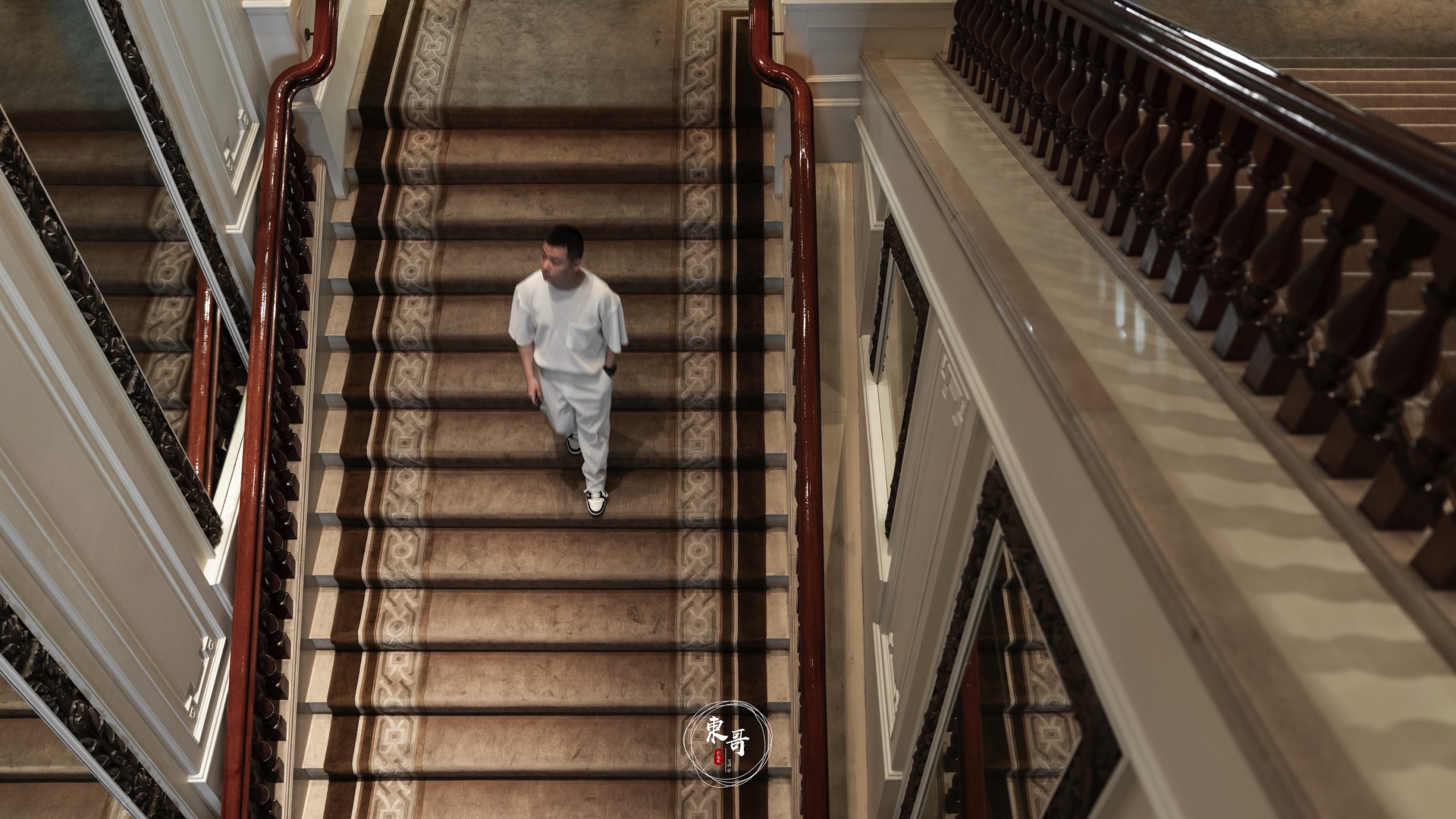

The hotel lobby is the ultimate expression of neoclassical symmetry, accented by ornate Baroque lines – grand yet exquisitely detailed. Fifteen towering columns support the lofty ceiling, their surfaces adorned with seventy-six hand-carved sculpted figures, each with a distinct expression and posture, their delicate craftsmanship rendered ever more vivid by the passage of time. They hang silently overhead, gazing down upon the human drama and the city’s transformations with deep, tranquil eyes, having witnessed nearly a century of arrivals, departures, and countless stories.
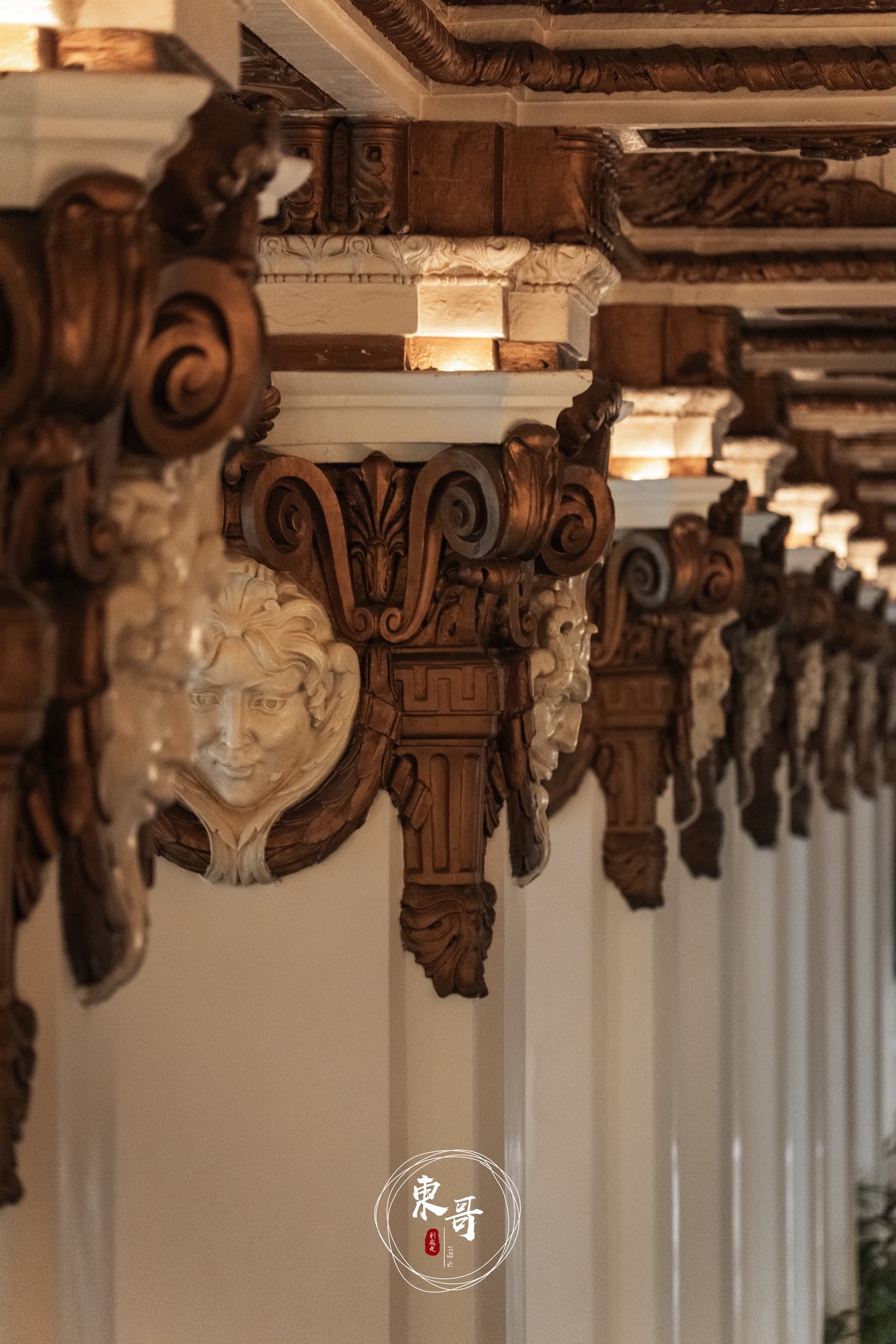
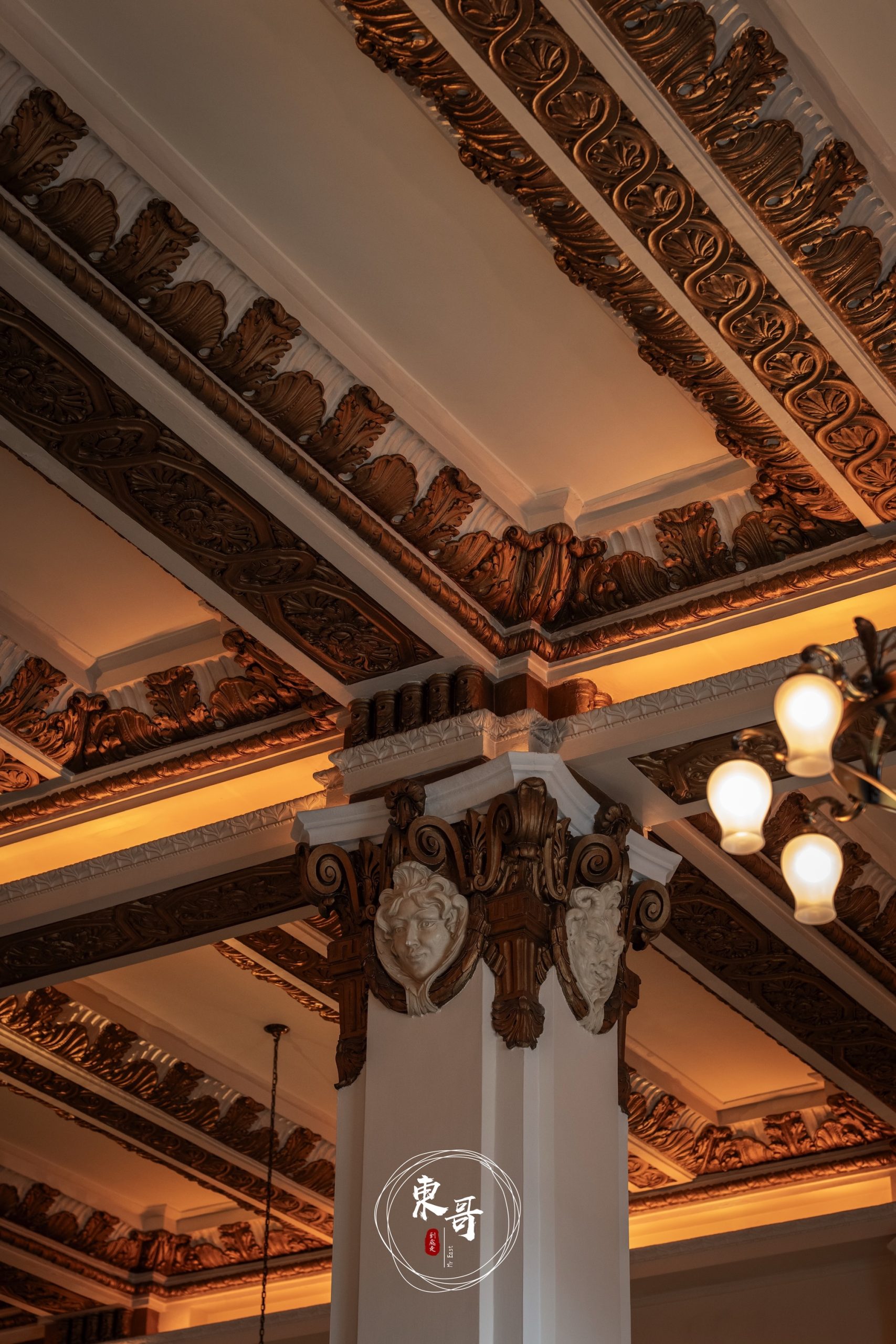
The lobby is grounded in pure white, yet vitality is never absent. Abundant floral arrangements grace every corner, banishing any sense of heaviness from the classical setting – fresh and fragrant through all four seasons. The majestic stone lions at the entrance echo the Chinese door gods on the panels, while the gilded Heheng and Haheng generals stand quietly on either side of the portal. Here, Eastern auspicious symbols and Western architectural aesthetics coexist in gentle harmony, embodying a spirit of inclusivity that belongs uniquely to The Peninsula.


Behind the reception desk hangs a hunting tapestry inspired by the mural art of the Dunhuang Caves. In the scene, ancient figures gallop in pursuit of game, with deer, eagles, and hounds weaving through the composition. Rich in Eastern classical charm, its delicate brushwork gracefully dialogues with the stately Western columns, allowing Eastern and Western aesthetics to converse softly within the space.
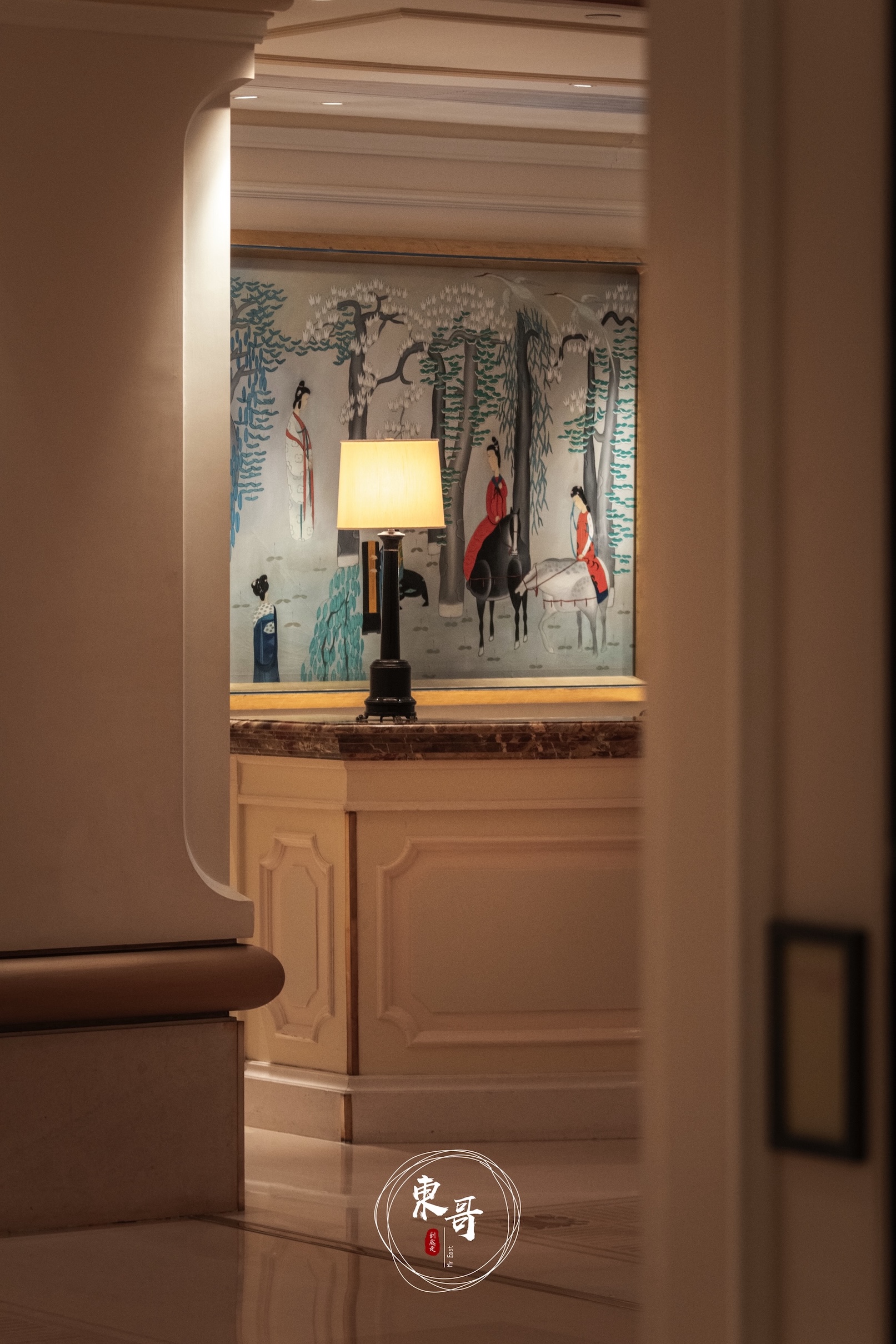
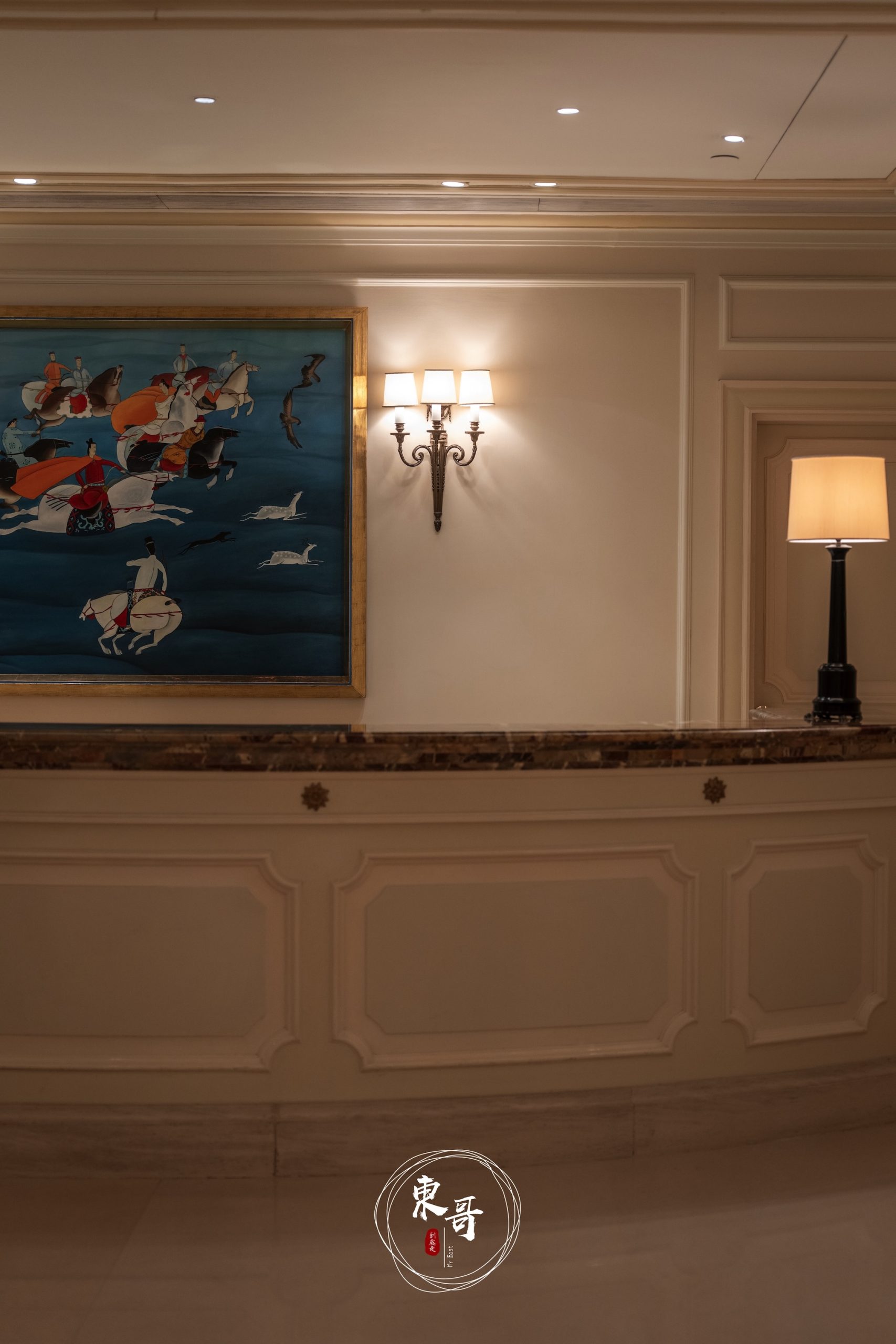
The corridor leading to the elevator lobby carries the principle of symmetry to its fullest expression. The artworks displayed along both sides are precisely aligned, and the geometric marble inlays on the floor are flawlessly arranged. Every grain of stone, every inch of layout continues the rigorous aesthetic standards of a century-old craft tradition. Walking through this space, every step resonates with refined rhythm.