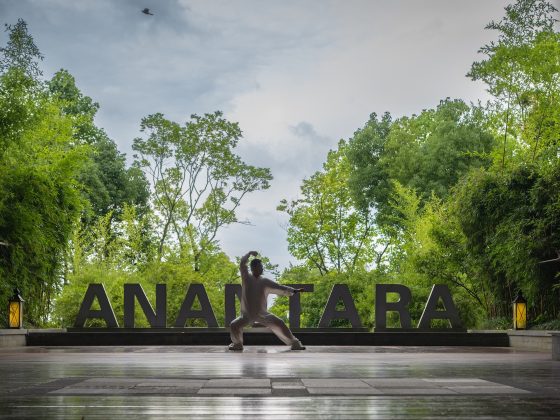
I had long held a quiet obsession with Guiyang’s summers – while the rest of the country sweltered under heatwaves, this summer capital kept its own pocket of cool. After years of longing, I finally made the trip this summer. Instead of plunging into the crowds at the usual tourist hotspots, I settled into Anantara Guiyang Resort, nestled in a karst valley, determined to spend a few slow days far from the noise, asking nothing of myself but rest.
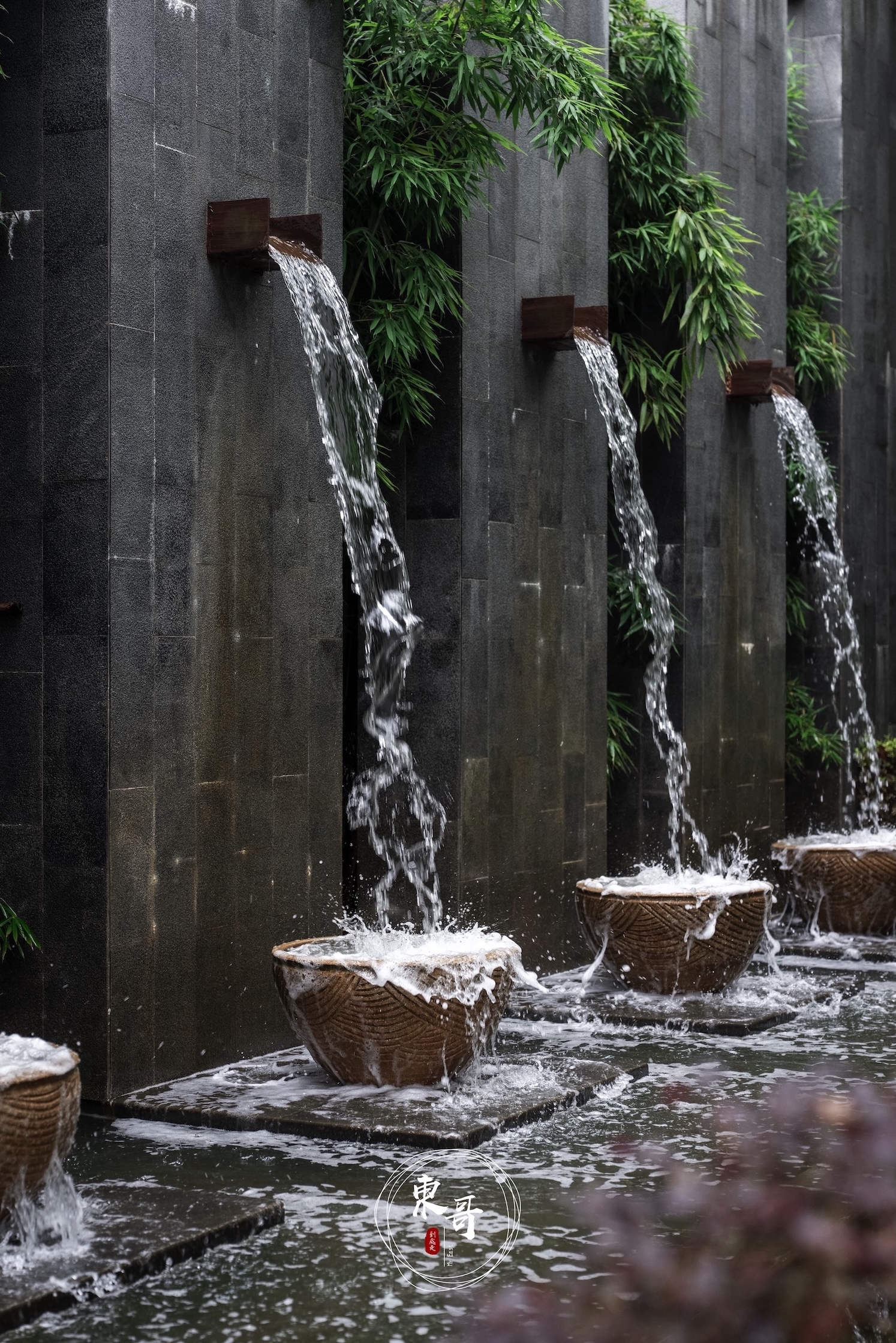

Unlike the bustling hotels in the city centre, Anantara’s location is nothing short of inspired – hidden within a thousand acres of pristine mountain valley, commanding an entire hillside ecosystem. The resort is built along the natural contours of a 1,314-metre elevated terrace, avoiding the clamour of the city without ever becoming truly isolated. A half-hour drive returns you to the urban core – a perfect balance between mountain seclusion and easy access to civilisation.

What strikes me most is the unique microclimate here. In the height of summer, when other places are stifling, this valley stays refreshingly cool, with daytime temperatures holding steady around 23 degrees Celsius. Mountain breezes sweep through the forest, carrying the moisture of leaves and earth – air conditioning is hardly needed. The dense woods generate abundant negative oxygen ions; the air is crisp and dry, free of summer’s usual stickiness. Every breath feels like drawing the spirit of the mountains into your lungs.


As a luxury resort brand under Minor Hotels, Anantara has always excelled at weaving local culture into its brand of understated wellness hospitality. Unlike cookie-cutter business hotels, this property delicately balances Thai-inspired laid‑back wellness with the cultural fabric of Guizhou – a quiet, unshowy luxury that carries a relaxed yet refined resort sensibility. The service is warm and attentive, never intrusive. Everything slows down, effortlessly and just right.
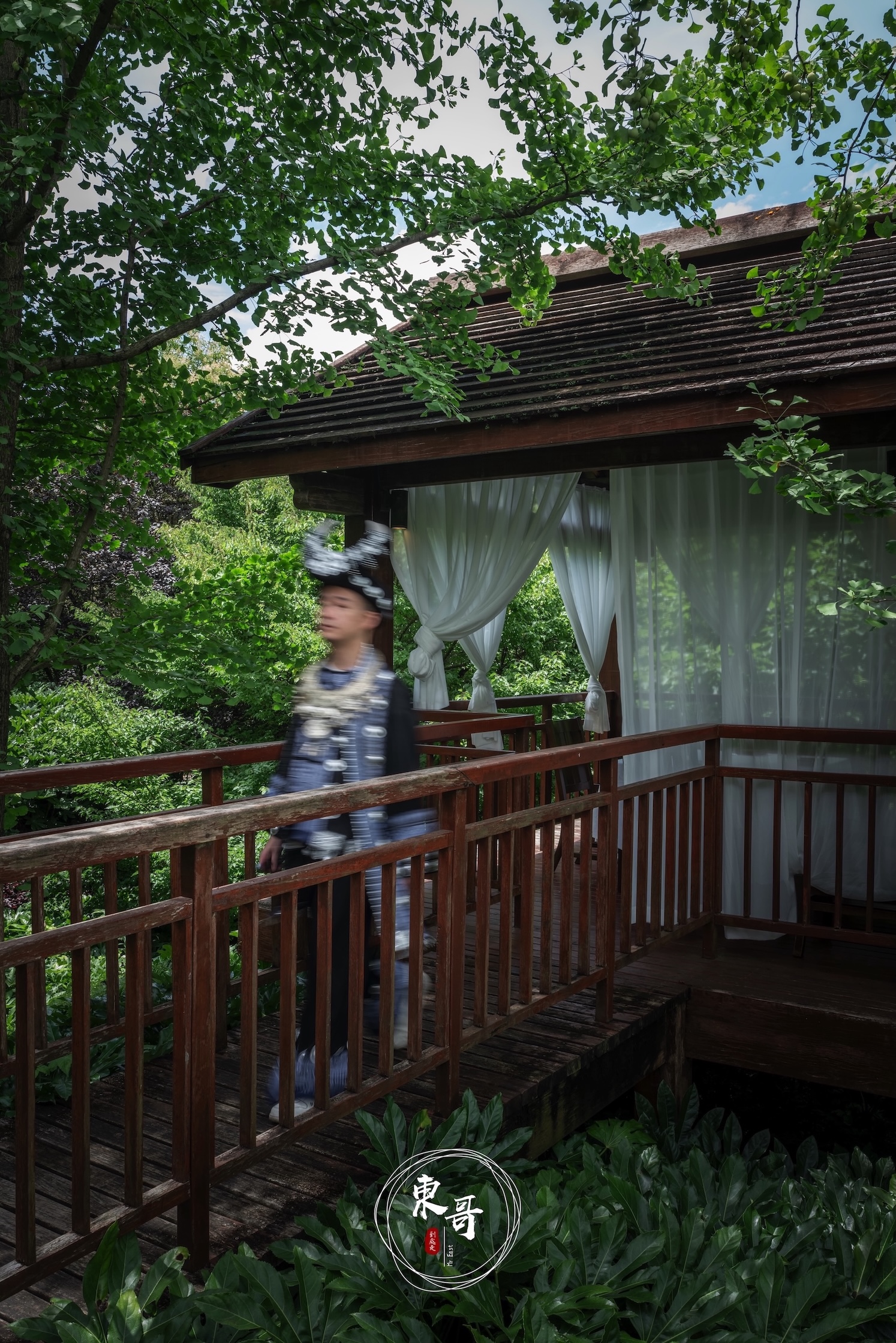
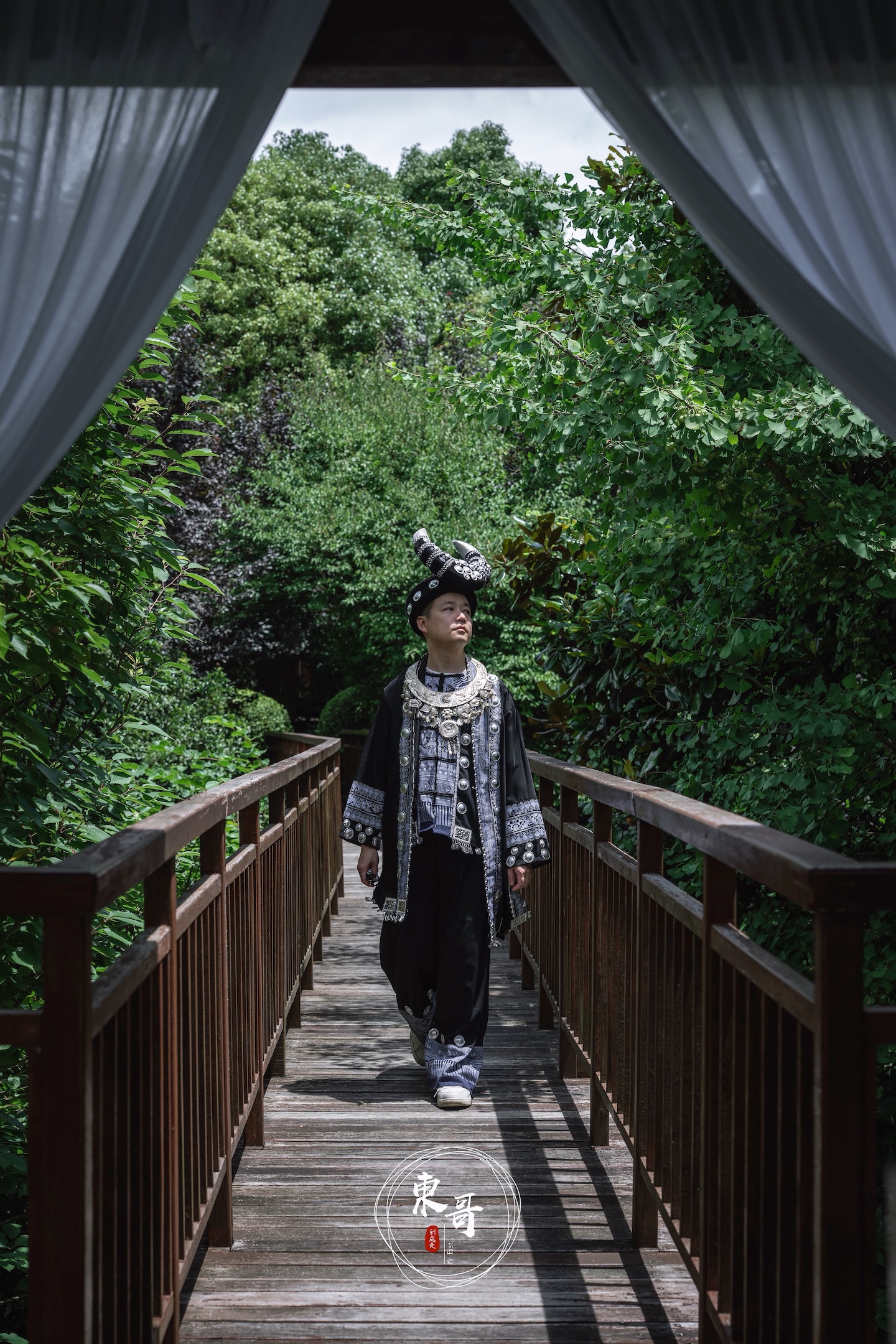
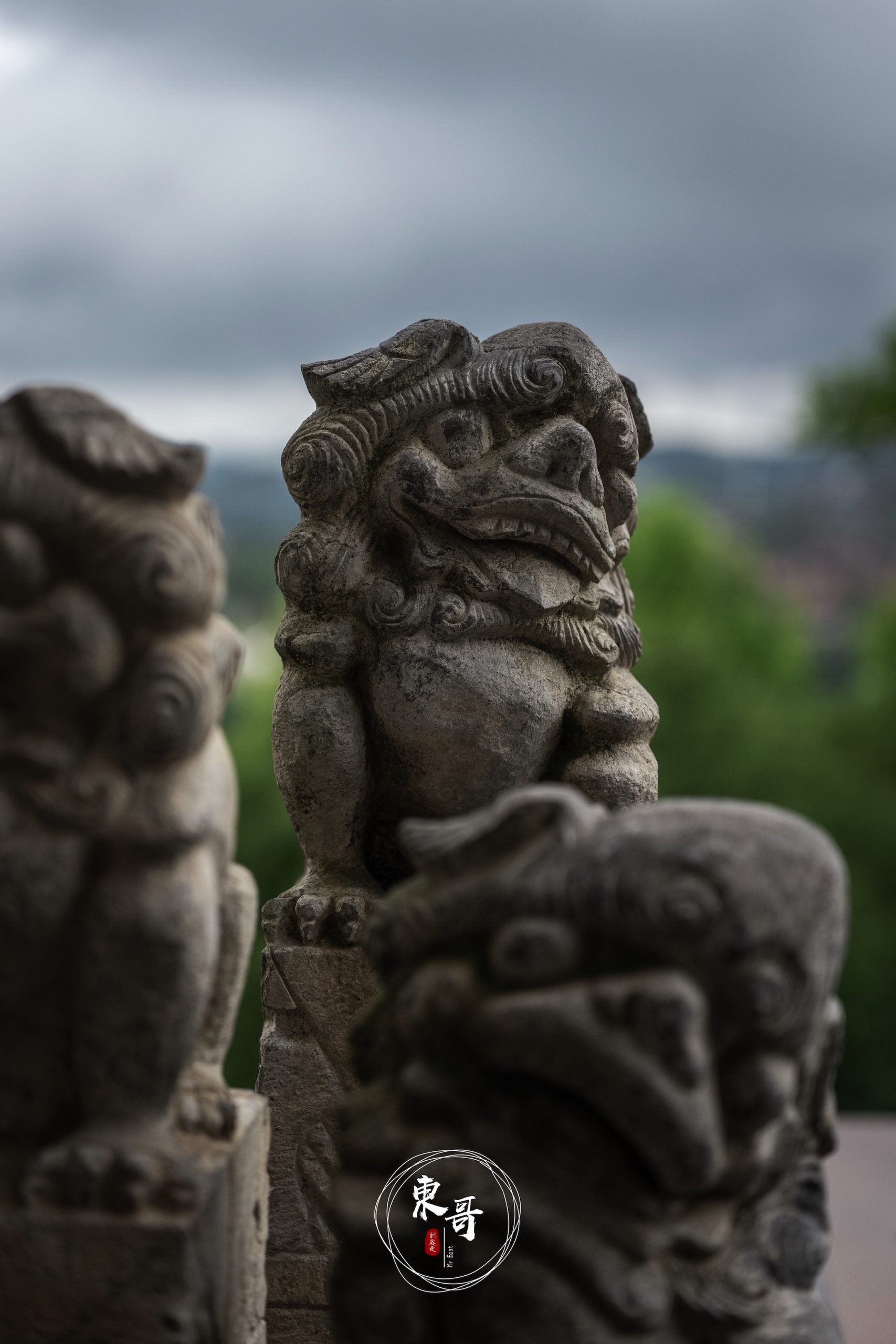
The resort itself is a work of art worth savouring. The design team took Thai mountain-palace aesthetics as their foundation and infused it with the architectural soul of Guizhou’s ethnic minorities: the lightness of Miao stilt houses and the unhurried grace of Dong wind-and-rain bridges are subtly echoed in the terraced layout and elevated open structures – a design that follows the mountain’s contours, promotes ventilation and moisture control, and marries beauty with practicality.
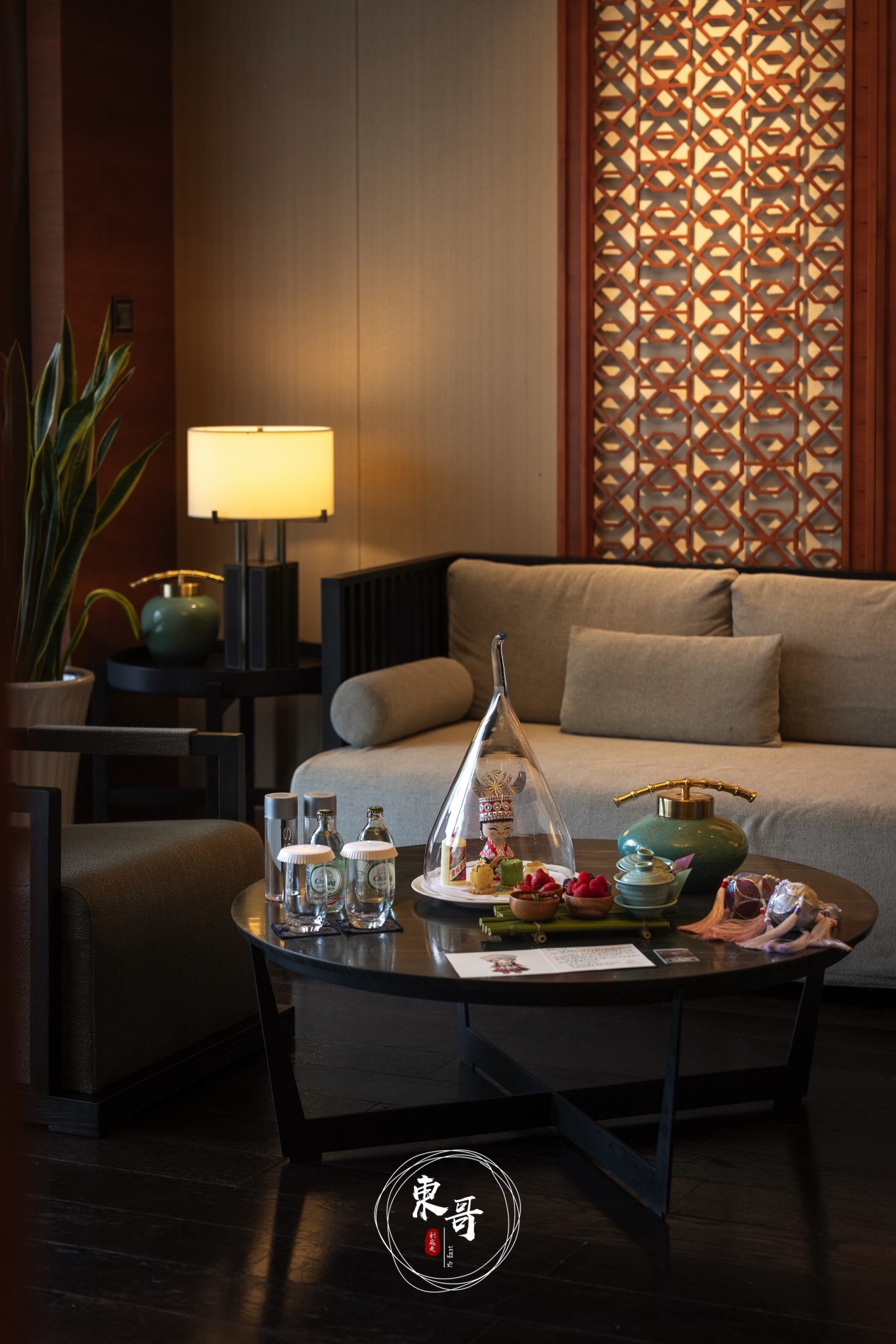

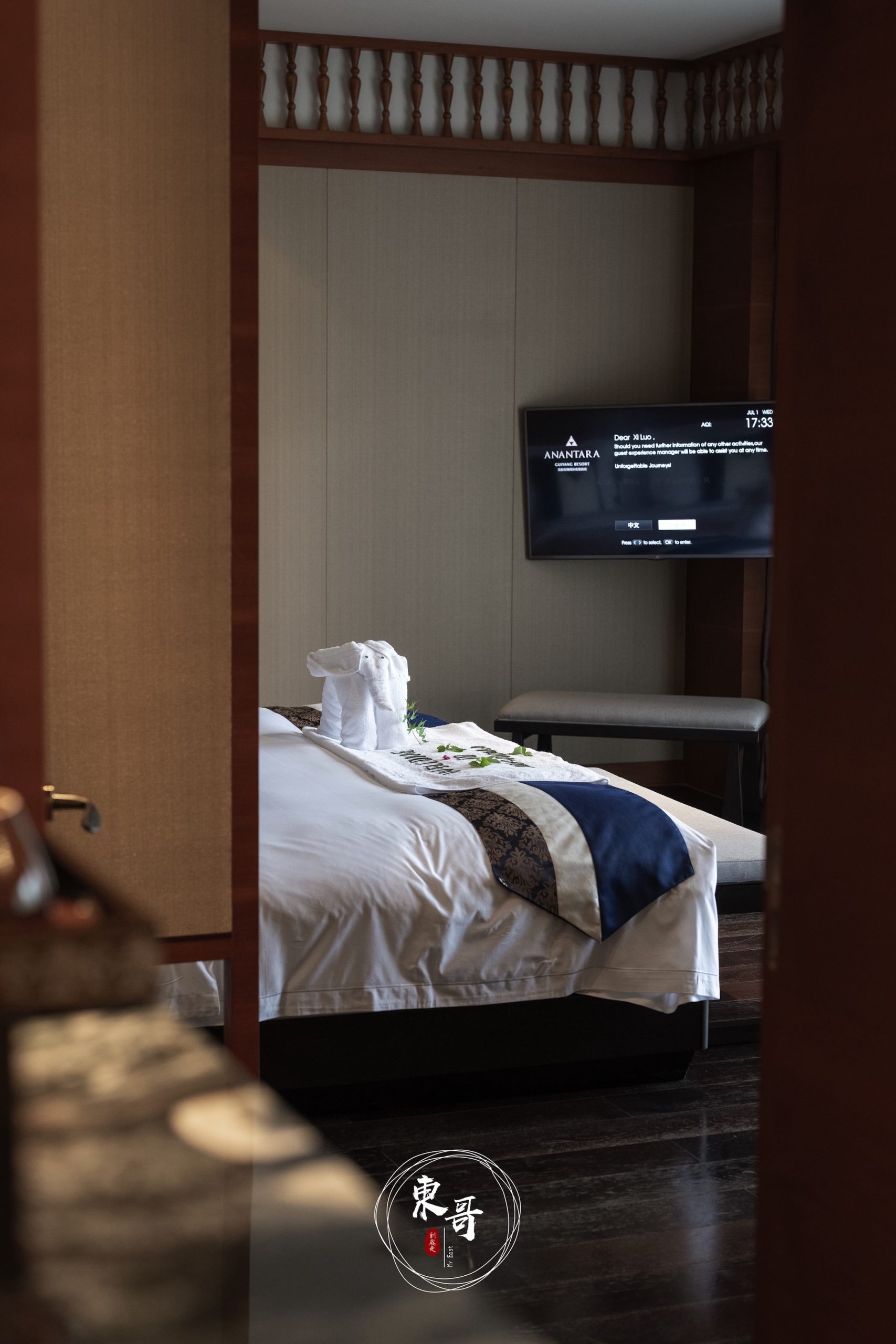

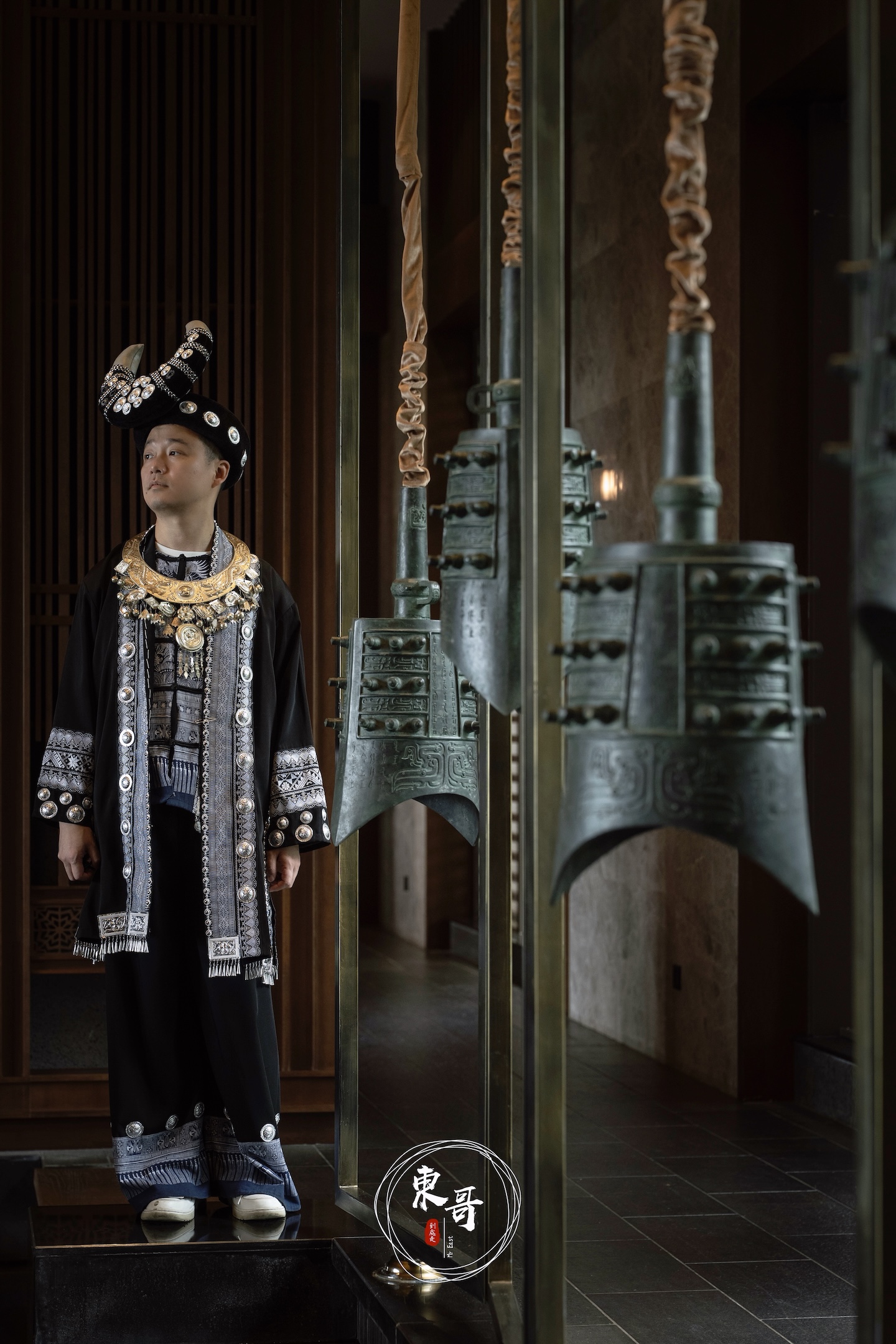
Within the gardens, bamboo-lined paths wind through tranquil groves, while terraced water features trickle gently through the landscape. Southeast Asian charm and southwestern China’s mountain wildness blend here with surprising naturalness. The interiors are even more refined: intangible cultural heritage elements – Miao embroidery, Dong brocade, and sun drums – are woven throughout, complemented by warm teak, unpolished bluestone, and understated soft furnishings that together create a quiet, sophisticated atmosphere.

The highlight of my stay was the resort’s comprehensive immersive wellness programme. Tucked deep within the gardens, the Anantara Spa is the very soul of the property. Standalone treatment pavilions offer exceptional privacy, each with its own garden-view terrace backing onto the forest – serene and secluded, as if the world falls silent the moment you step inside.
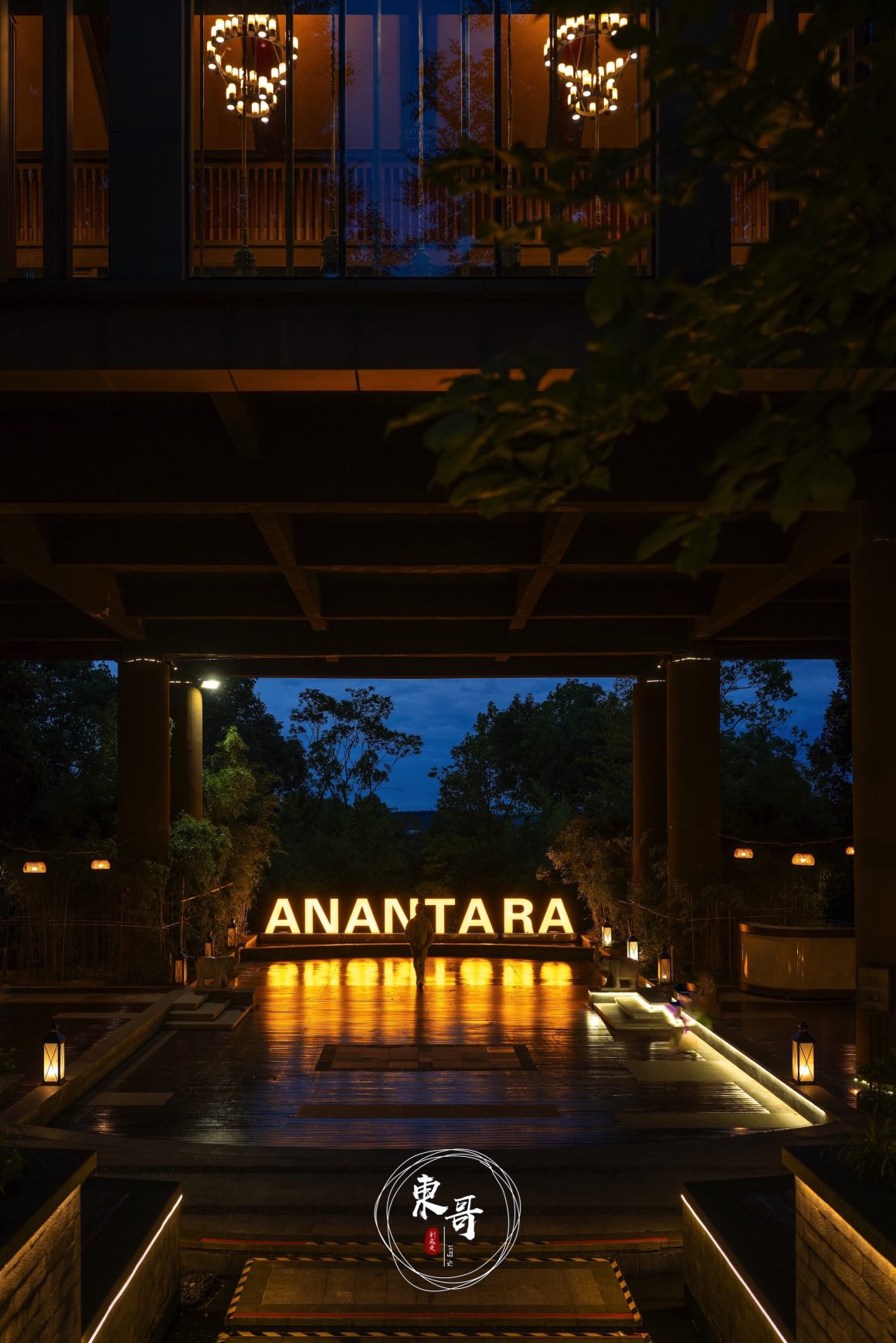
During my days at Anantara, I finally understood the true meaning of a summer retreat. No rushing from place to place, no ticking off a checklist of sights – just surrendering to the green hills and clear waters, letting the mountain breeze brush your face and the coolness seep into your bones, allowing body and mind to slowly loosen and quieten. This, perhaps, is summer at its most healing.