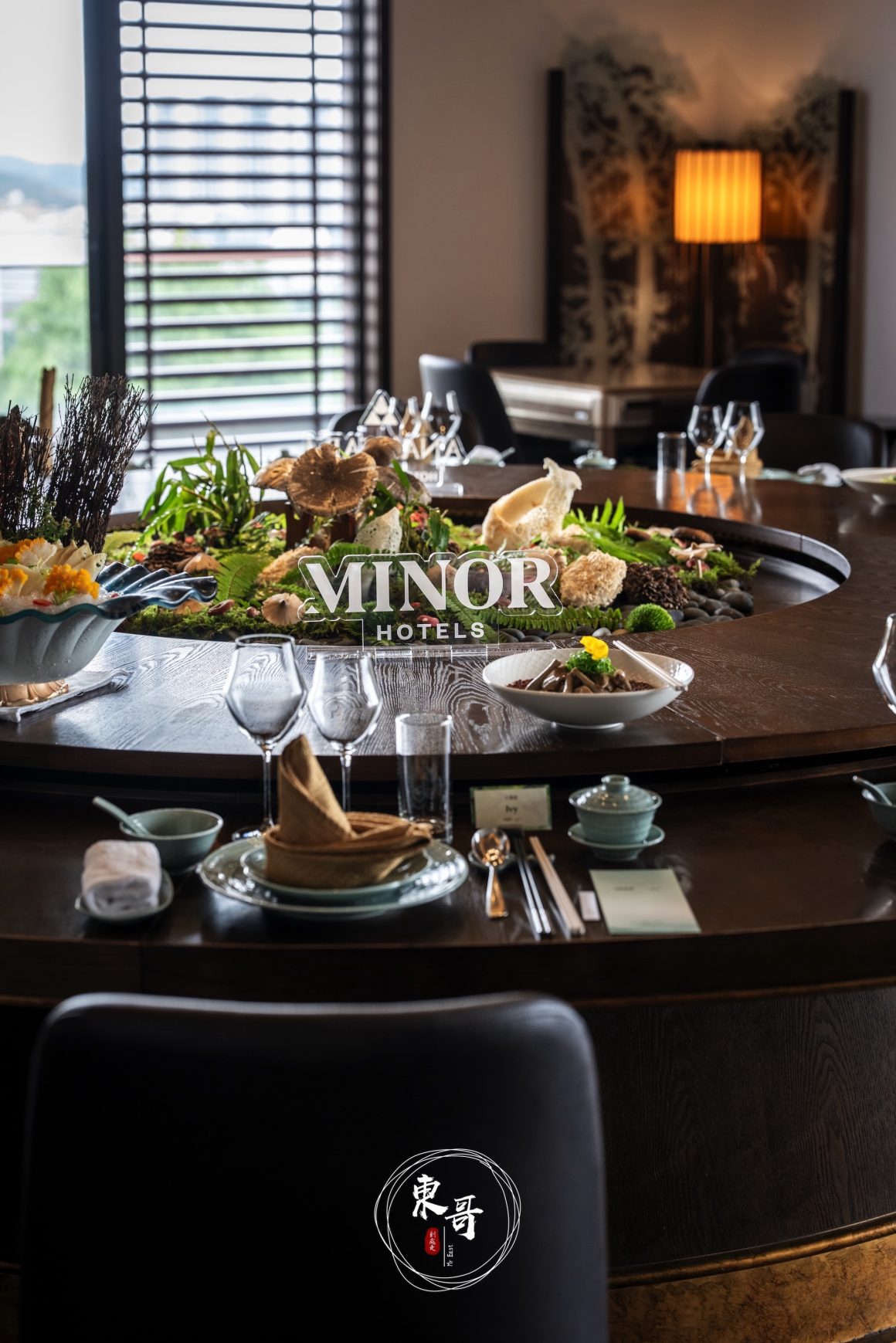
On my first visit to Guiyang, I did not follow the crowds to the usual tourist hotspots. Avoiding the busy visitor districts, I headed straight for Anantara Guiyang Resort. After the journey, my first proper meal here was a carefully prepared wild mushroom feast – a table laden with ingredients from the deep mountains of Guizhou, marking my first encounter with this city.
After I sat down, the first thing served was a cold-brewed Duyun Maojian tea. The liquor was refreshing and sweet, carrying the distinct mountain fragrance of local leaves, slowly adjusting my palate to its best state as I awaited the courses to come.
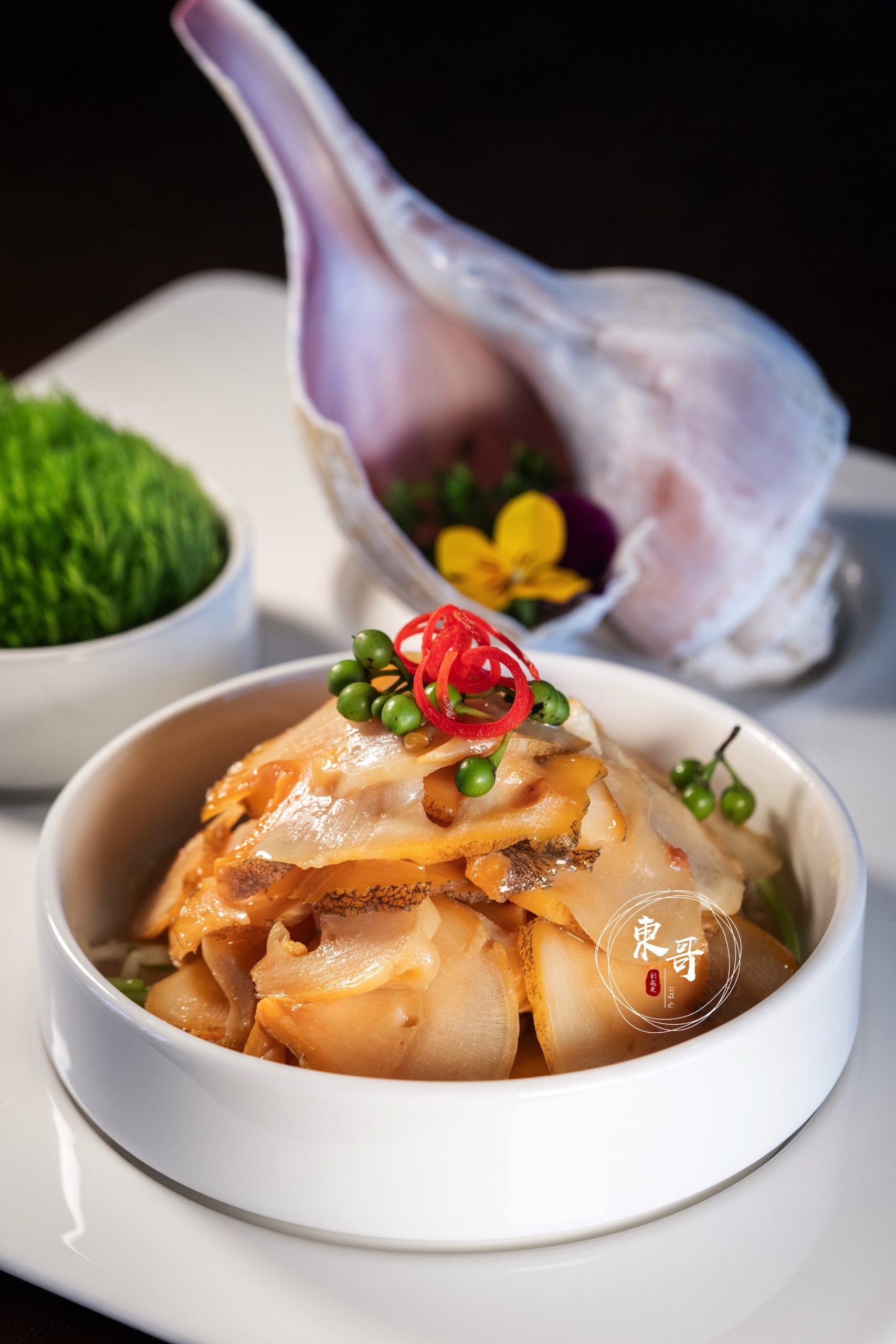
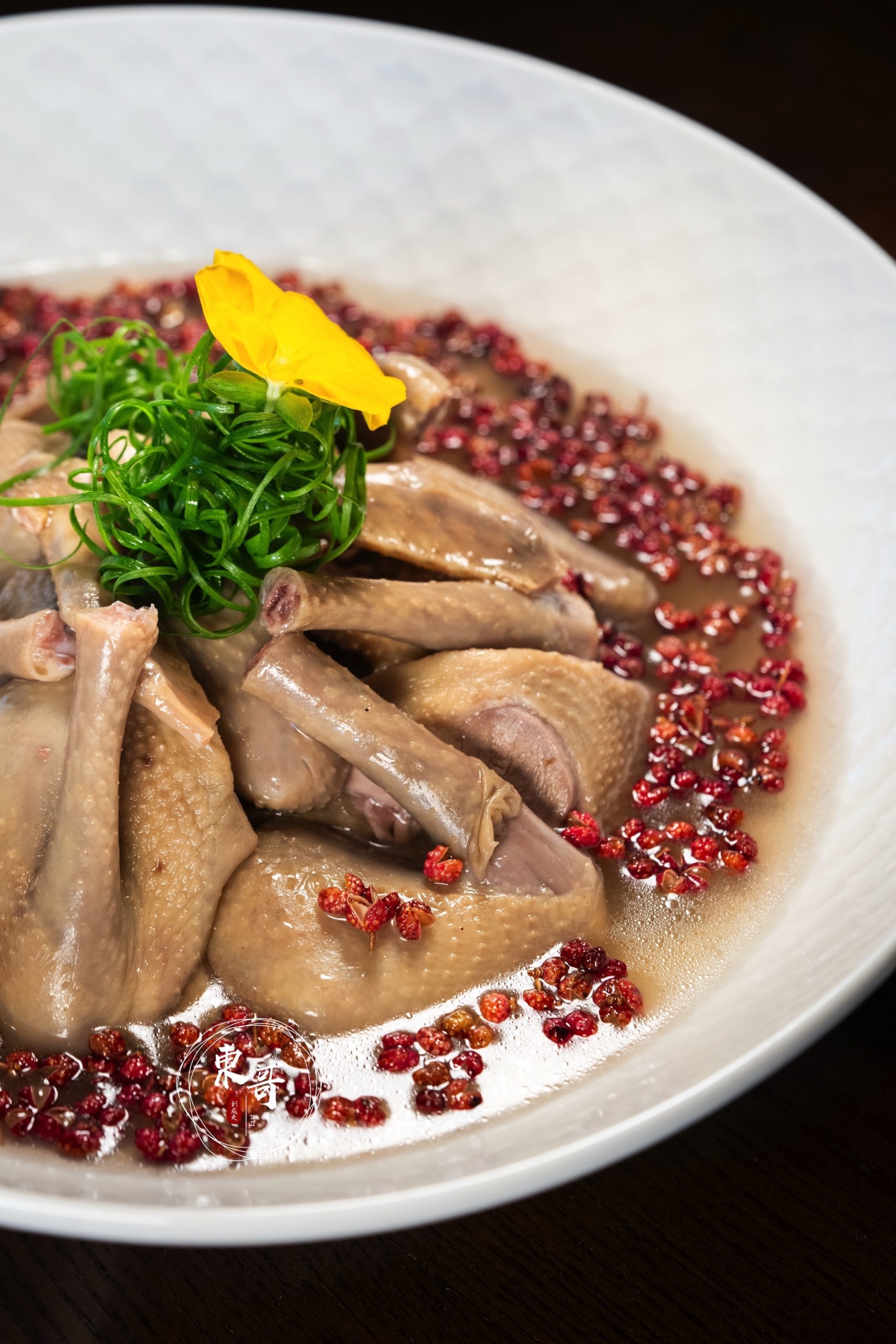
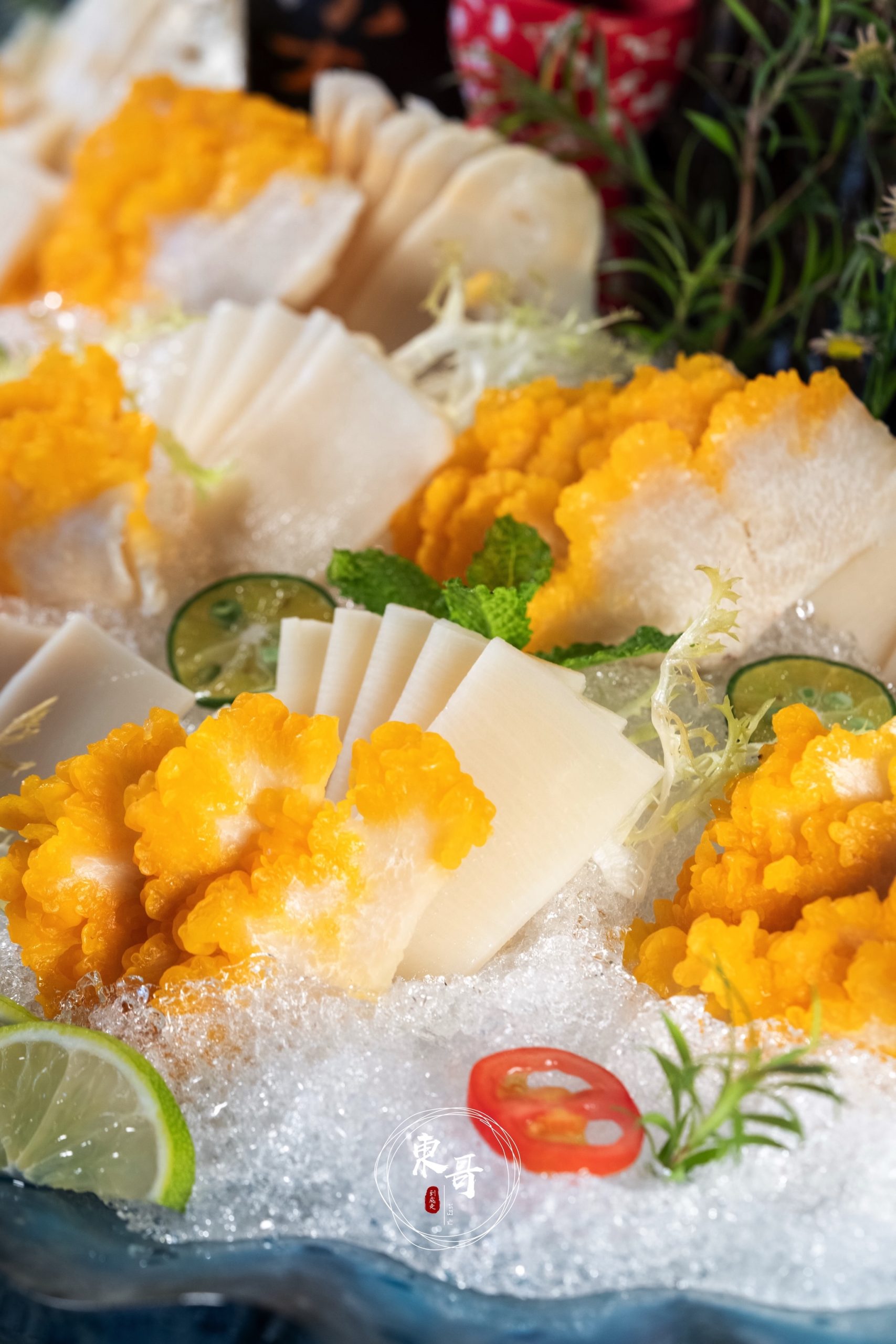
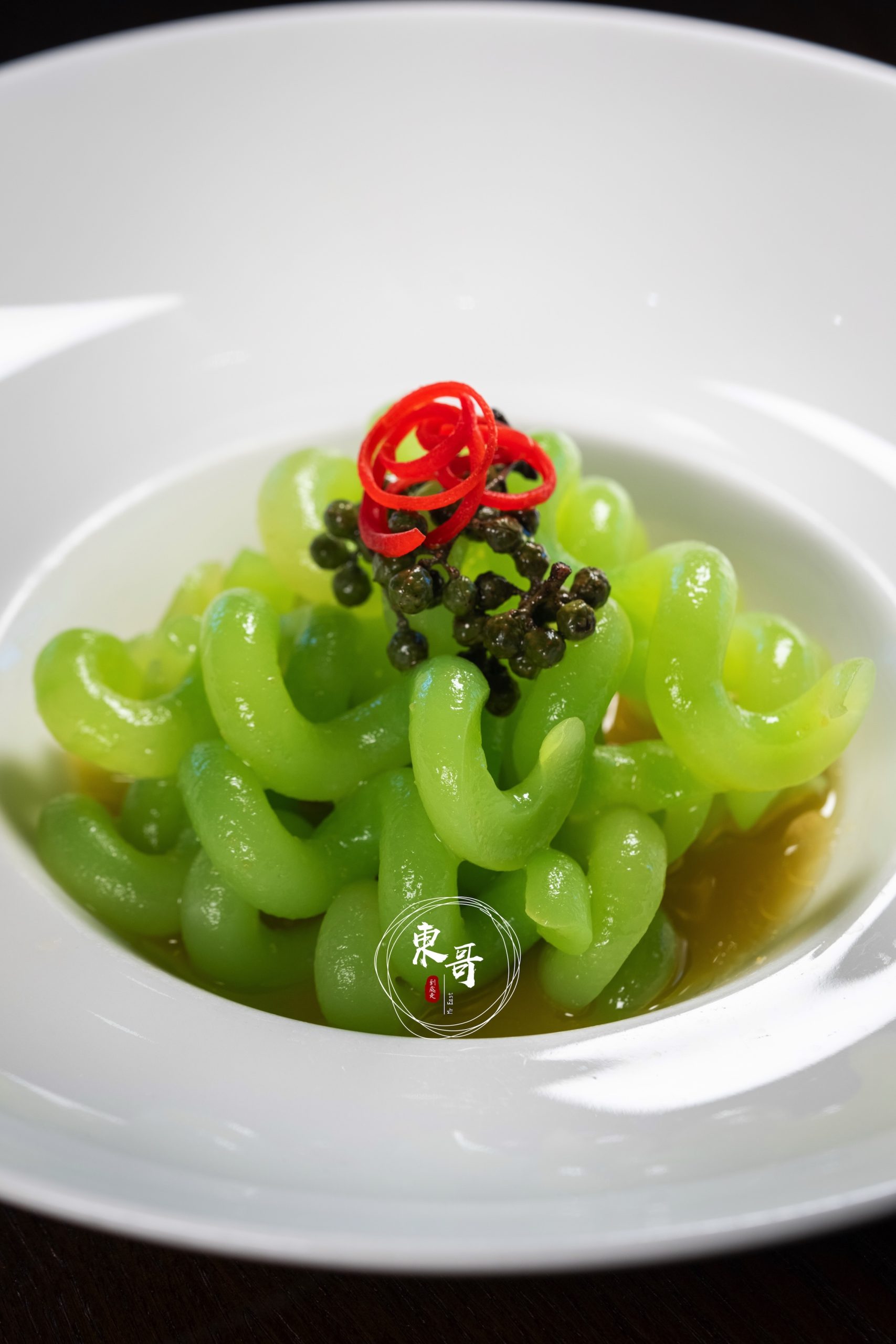
The sliced conch with Litsea cubeba was the very soul of Guizhou flavour – the wild, crisp aroma of the spice wrapping around tender conch meat, offering a true taste of the local character. The crispy, juice-bursting Dahongpao squab, the velvety Lei’s tofu balls, the peppery and numbing lettuce rolls, and the chilled crunchy bamboo shoots – layers of numbing, fresh, and crisp sensations gradually unfolded, effortlessly awakening my appetite.


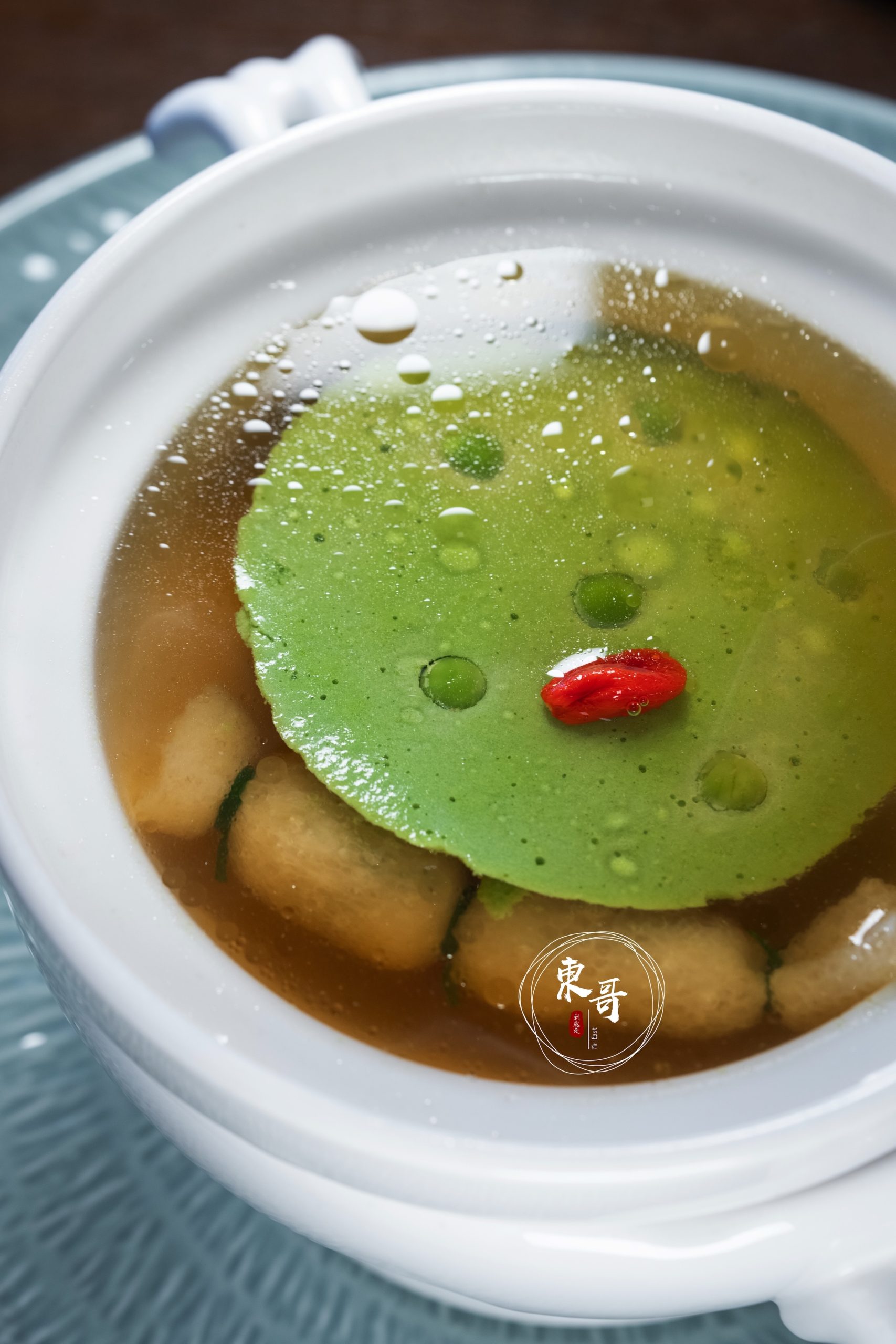
The lobster stir-fried with truffle and three kinds of spring onion used freshly shelled live lobster. The three varieties of spring onion were wok-tossed to remove any fishiness, then fused with the deep, earthy aroma of black truffle. The sweetness of the seafood intertwined with the fragrance of the fungus – an elevated, inventive creation. It is worth noting that high-quality black truffles have also been discovered in Guizhou, and the freshness of this local mountain ingredient was truly memorable.

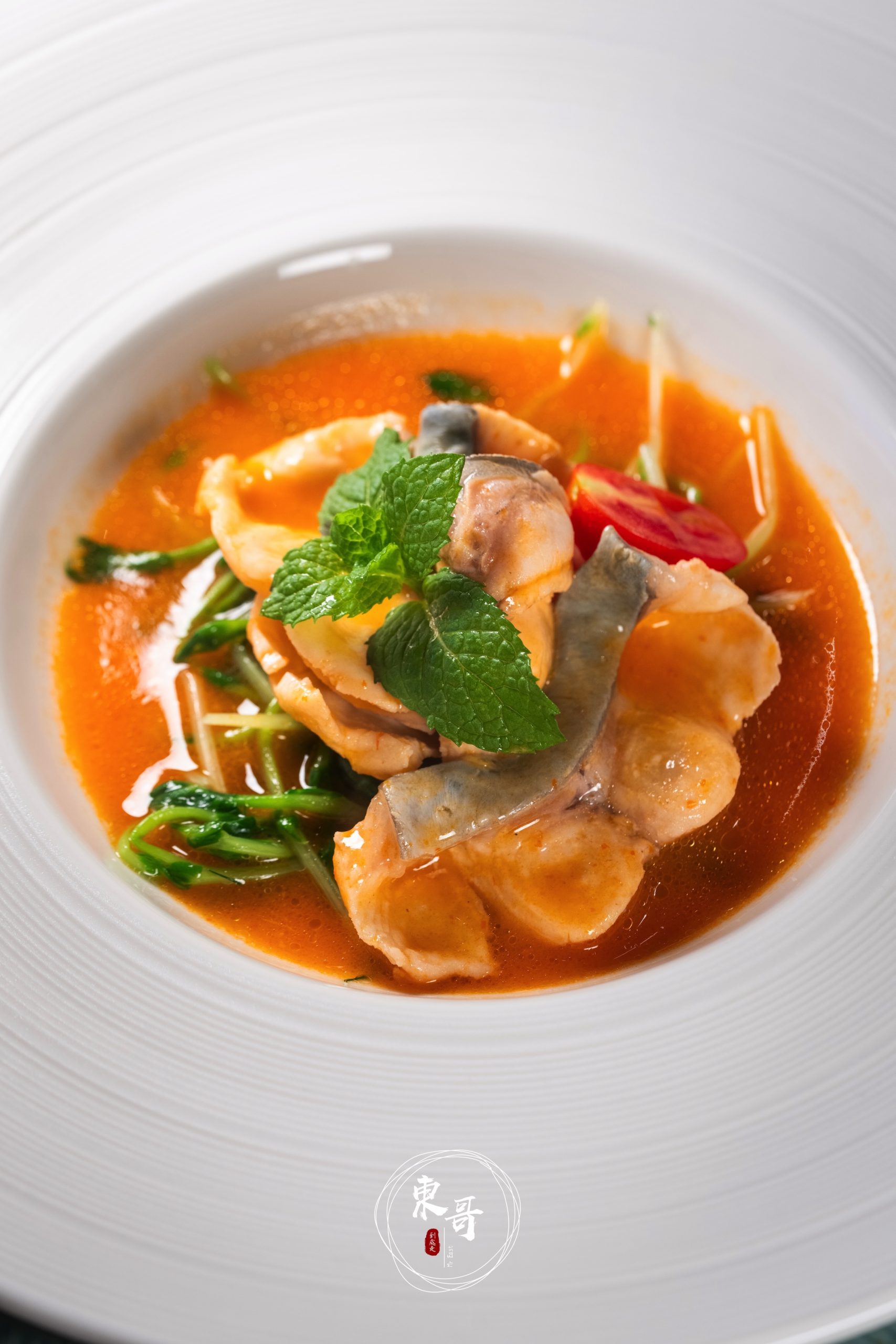

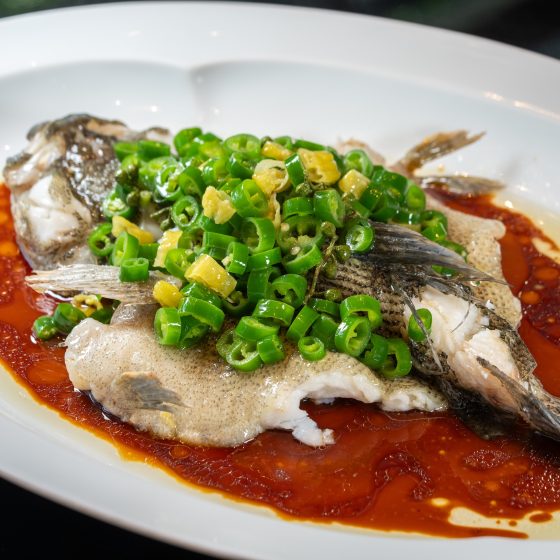
The clay-pot slow-braised Qingyuan chicken was sealed and cooked over low heat, locking in every drop of juice. The skin was lightly charred, the meat firm and succulent, the chicken flavour pure and intense. The most authentic local highlight was the live-prepared Miao-style sour fish soup, made with tomatoes fermented for months using an ancient Miao method – the sour and spicy broth was mellow and gentle, never harsh, with silky, tender fish. This is a signature dish that any visitor to Guiyang must try.

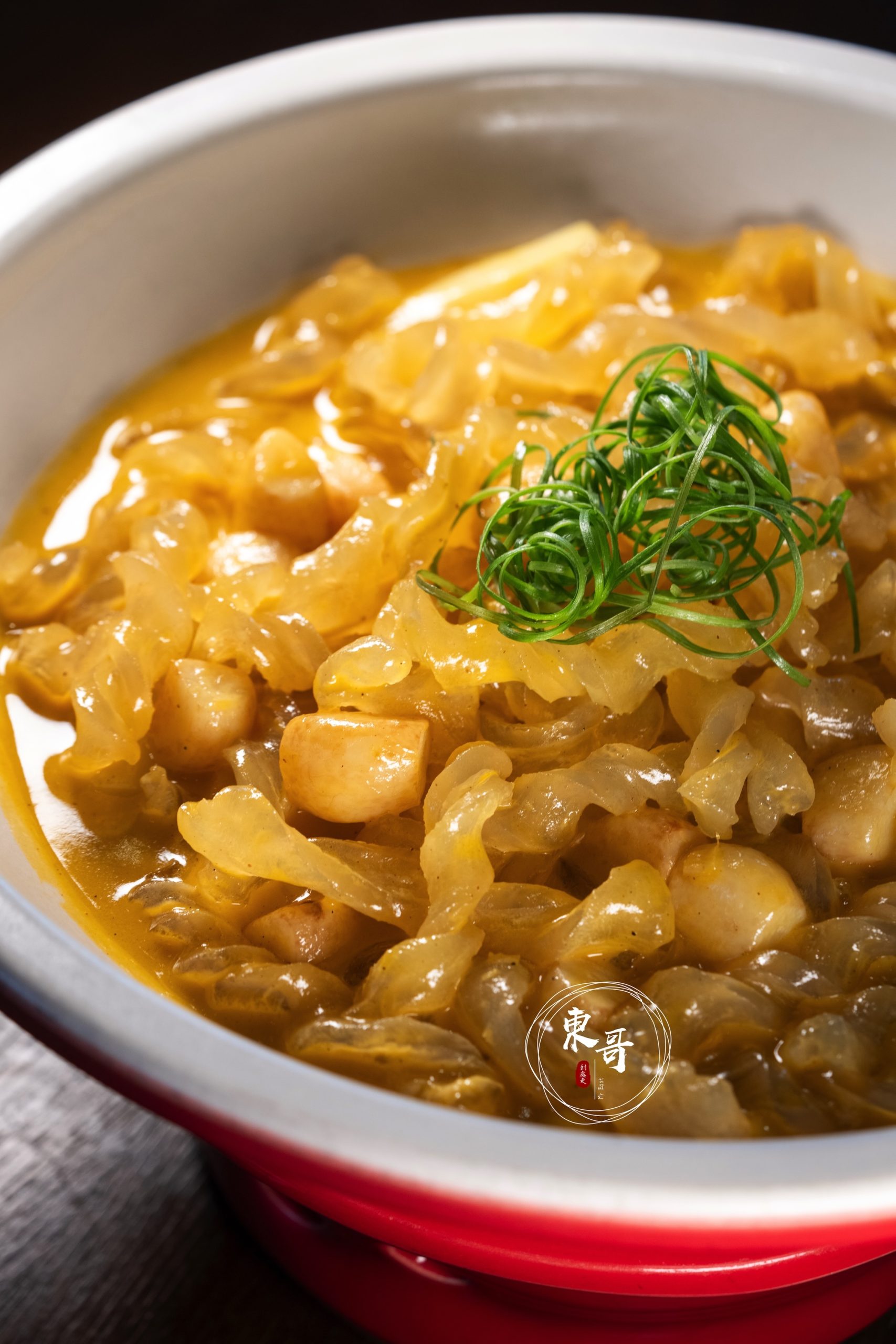
The embroidered-ball-style Guanling beef was marinated in a secret sauce beforehand; the finely marbled meat remained tender and flavourful even after long cooking, never becoming tough. The Weining ham, air-dried for years in the highlands, was paired with local purple mushroom. The savoury saltiness of the ham balanced the delicate freshness of the fungus – a classic combination long cherished in the mountains of Guizhou.

Many people think first of Yunnan when wild mushrooms are mentioned, unaware that Guizhou is also one of China’s leading provinces for wild edible fungi. The vast karst mountains and the warm, humid climate here give rise to a remarkable variety of wild mushrooms – dragon-claw fungus, Zhijin morels, and golden ear fungus all represent the finest mountain treasures of Guizhou’s deep forests.
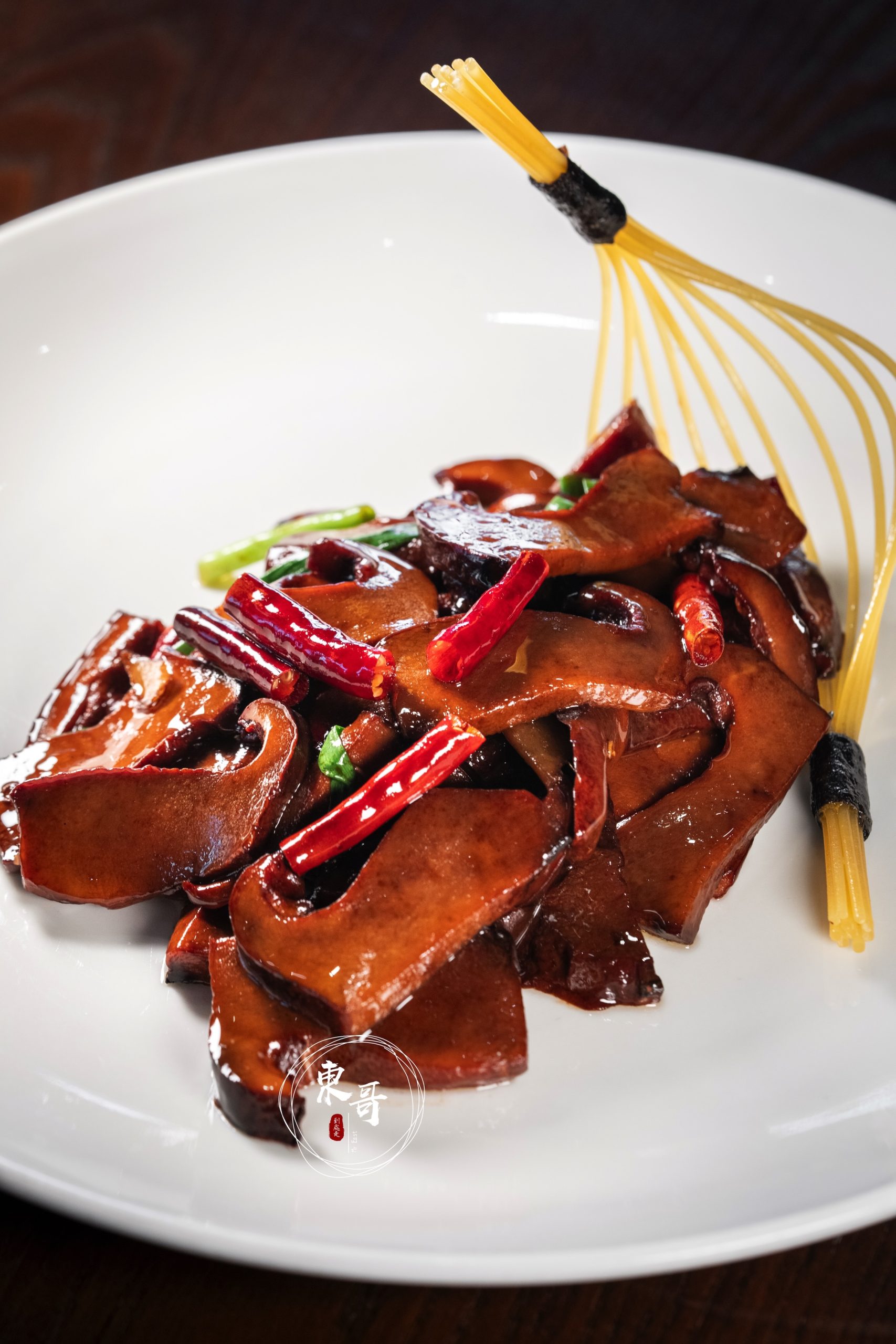


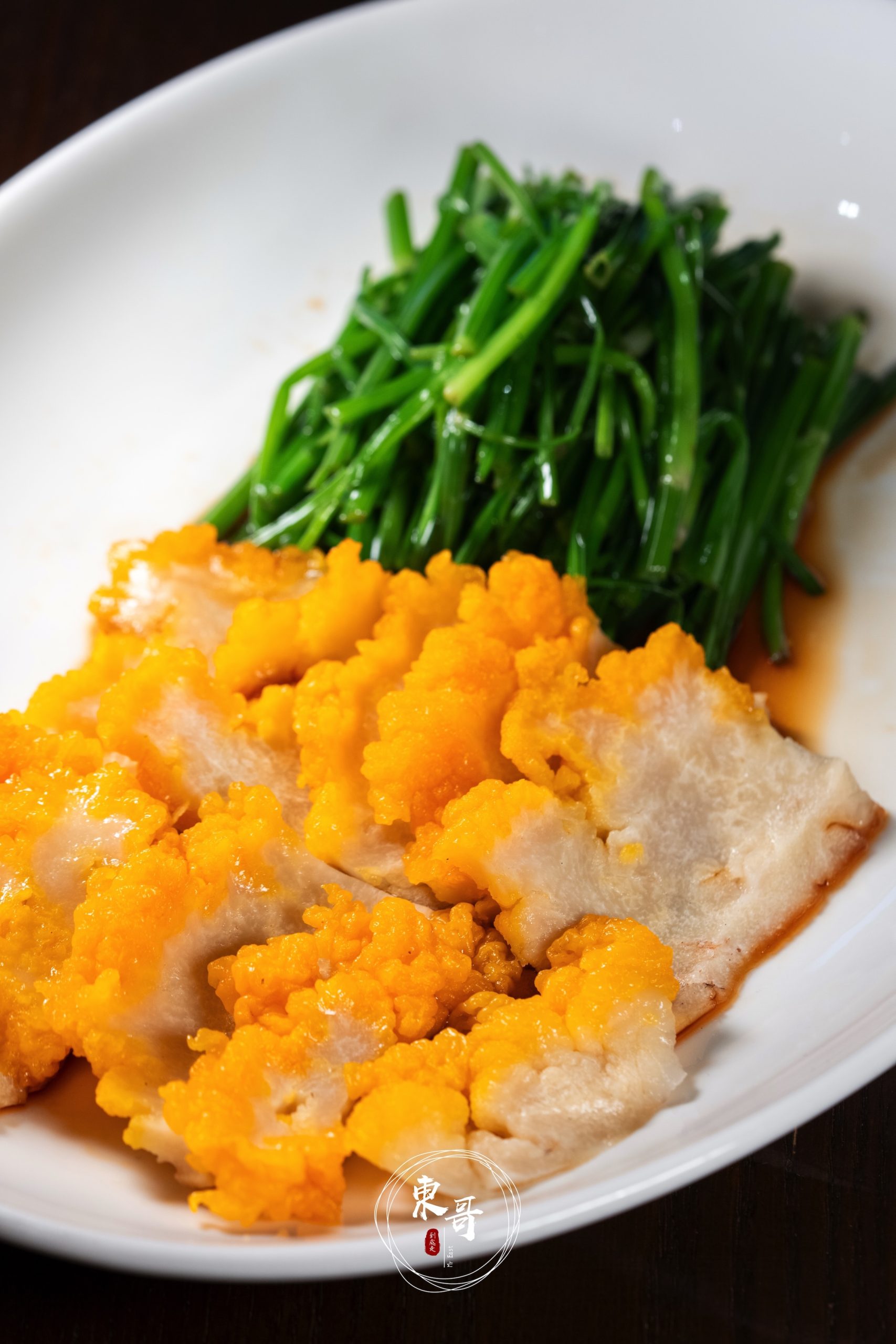
The Niugan fungus stir-fried with Qiubei dried chillies was cooked over intense heat, releasing the full wild fragrance of the mushroom. There was also dragon-claw fungus slowly braised in abalone sauce, Zhijin morels pan-fried in butter, and golden ear fungus stir-fried with soy sauce and water celery – each variety sourced from the mountains of Guizhou.

The meal closed with Guiyang’s signature Guailu fried rice – each grain distinct, richly savoury, carrying the lively, smoky spirit of the local streets. It brought the evening to a satisfying and comfortable close.