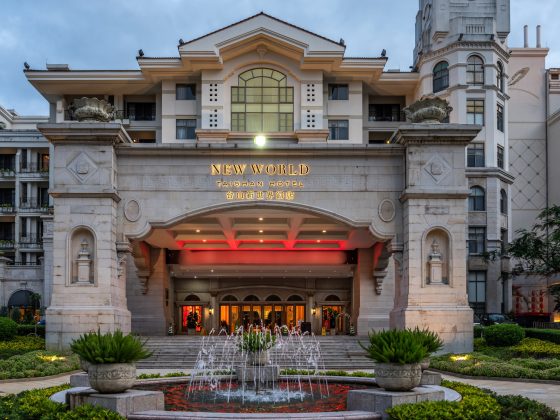
This time at New World Qingyuan Hotel, I had no intention of rushing to any sightseeing spots. I simply wanted to follow the resort’s own rhythm, immerse myself in the local way of life, and spend two or three days feeling both fulfilled and completely at ease. The hotel itself is a healing mountain retreat – natural wood finishes paired with hillside views, and rooms with comfortable balconies where just staying in feels wonderfully relaxing. The real surprise, however, was the set of carefully curated activities that you can slowly join in, each offering a genuine sense of participation.


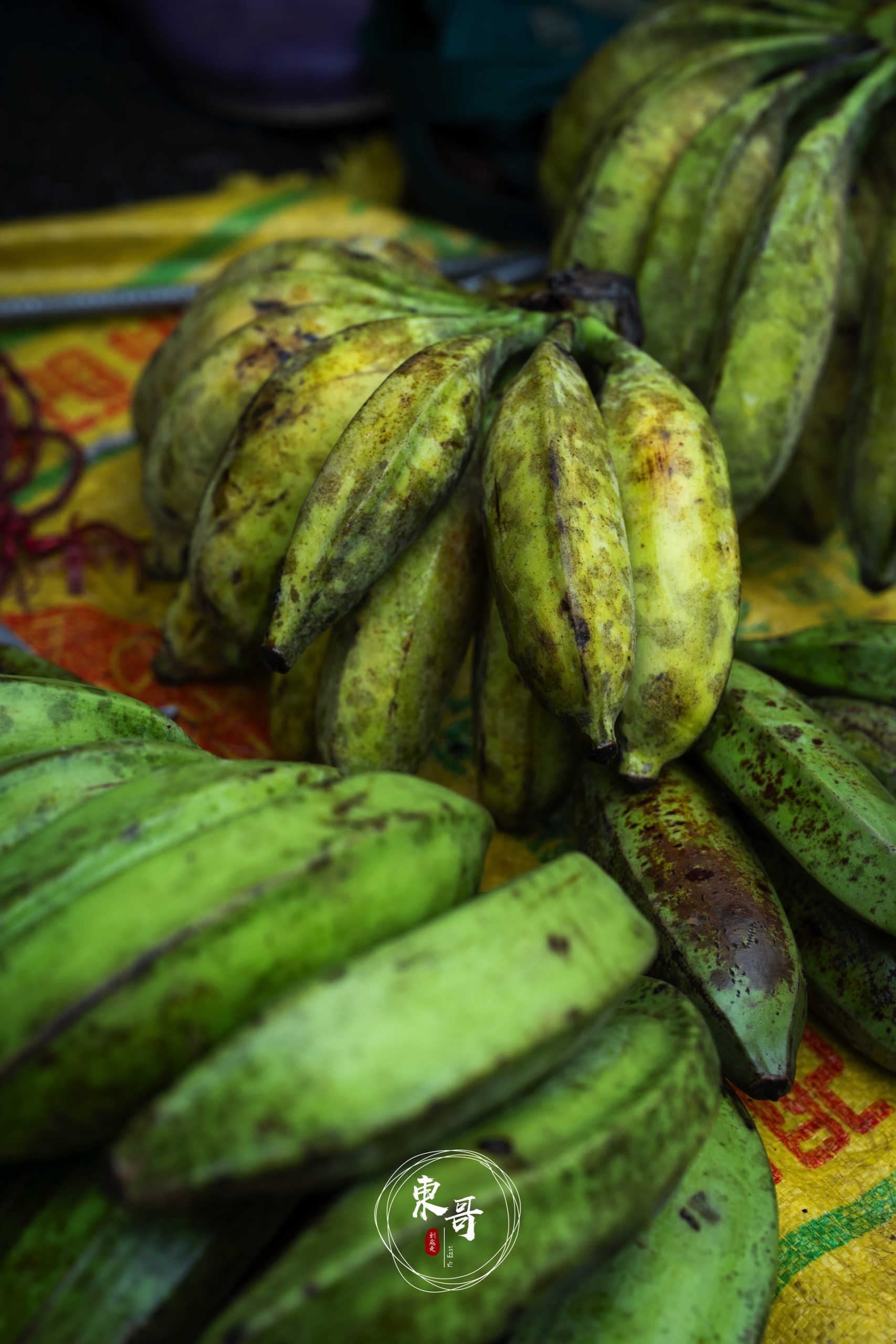

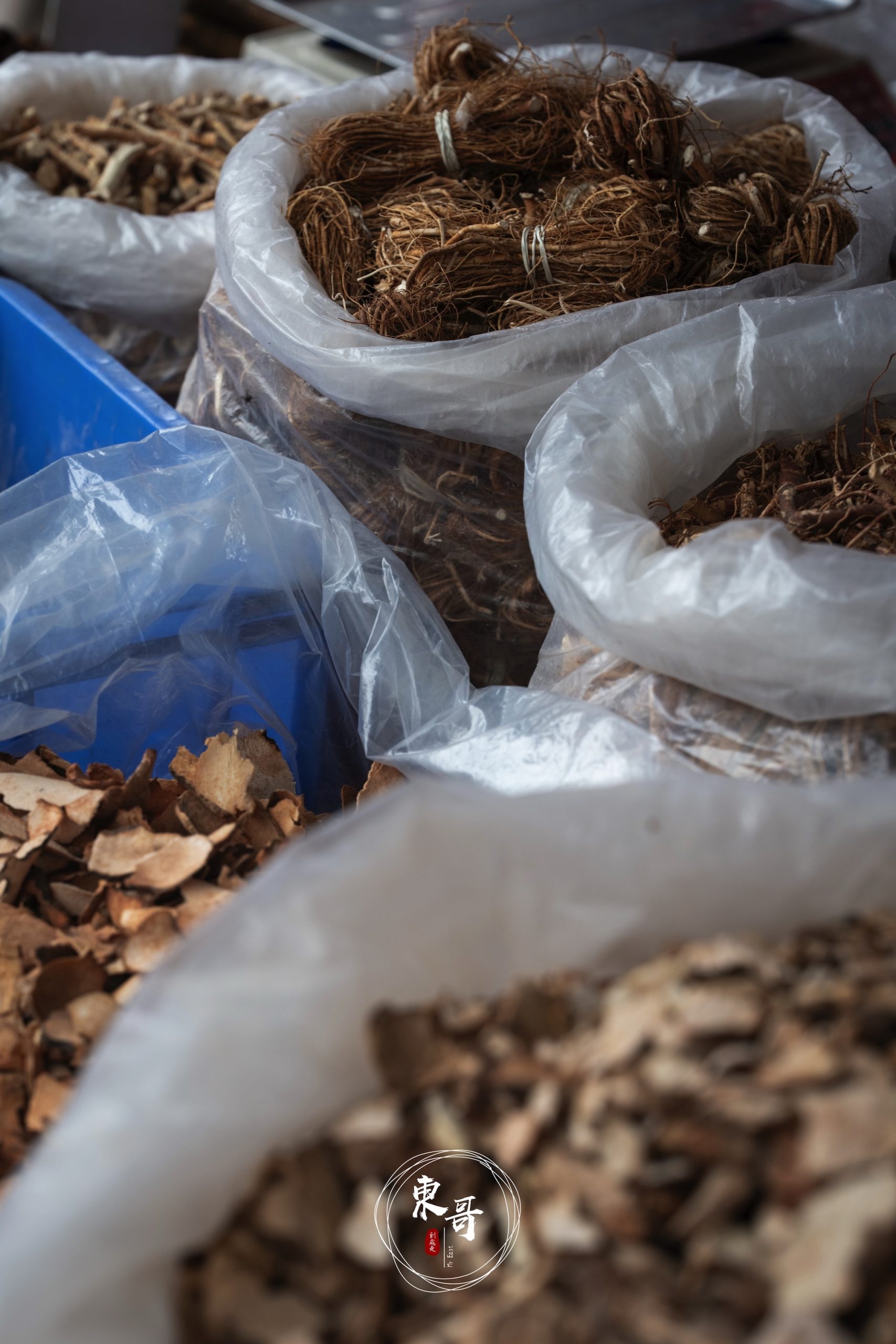

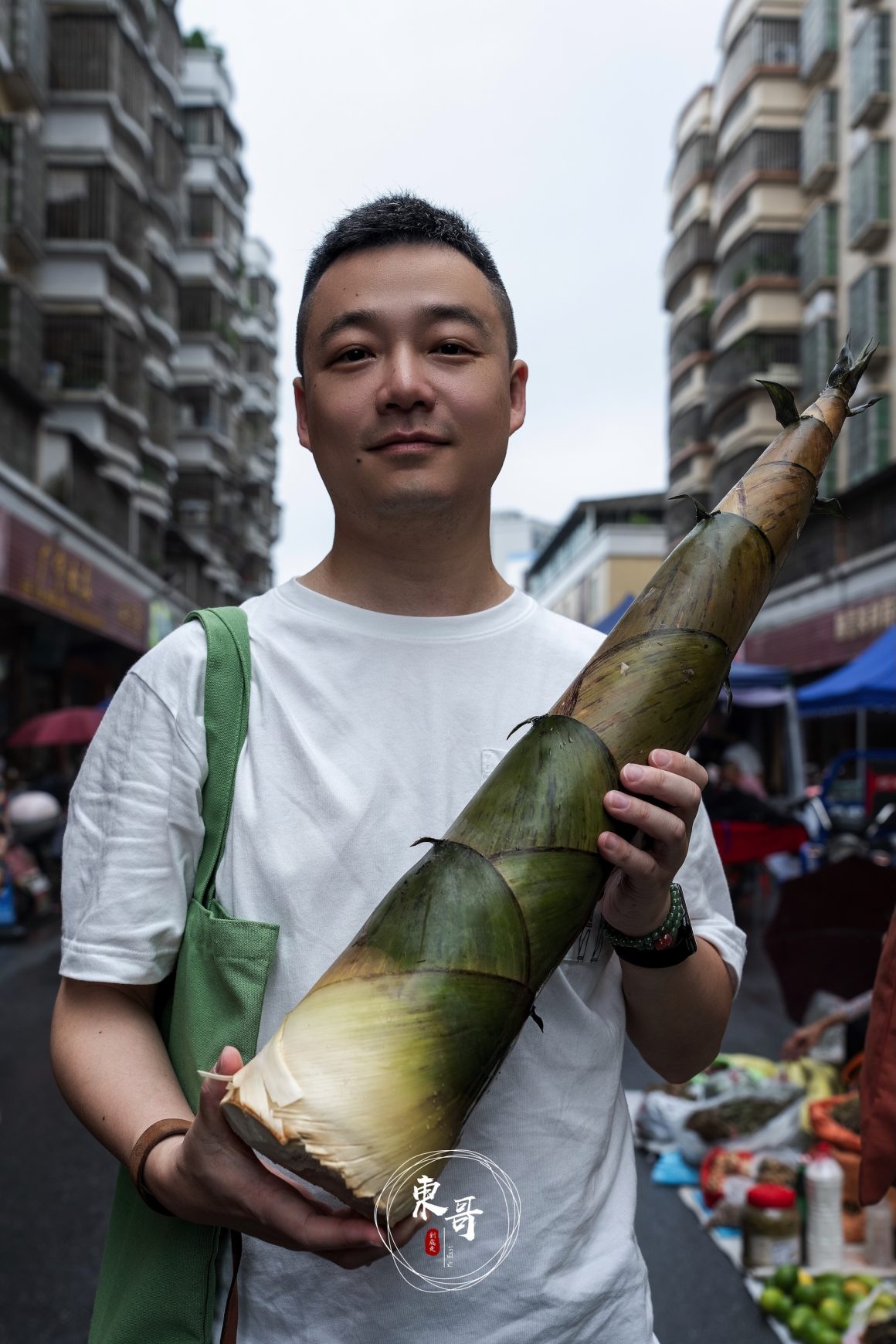
On the first morning, I got up early to join the hotel chef on a trip to the nearby village market – the most direct way to step into local life. Back in the city, I rarely visit open‑air markets like this. The stalls were lined with freshly picked greens, wild mountain mushrooms, free‑range poultry, and the dried farm produce that locals rely on daily. As we walked, the chef pointed out different ingredients, explaining which wild vegetables are best for a quick stir‑fry, which mushrooms make the most flavourful soup, and telling me that Qingyuan cuisine values pure, original flavours, mostly brought out by the season’s finest local produce.
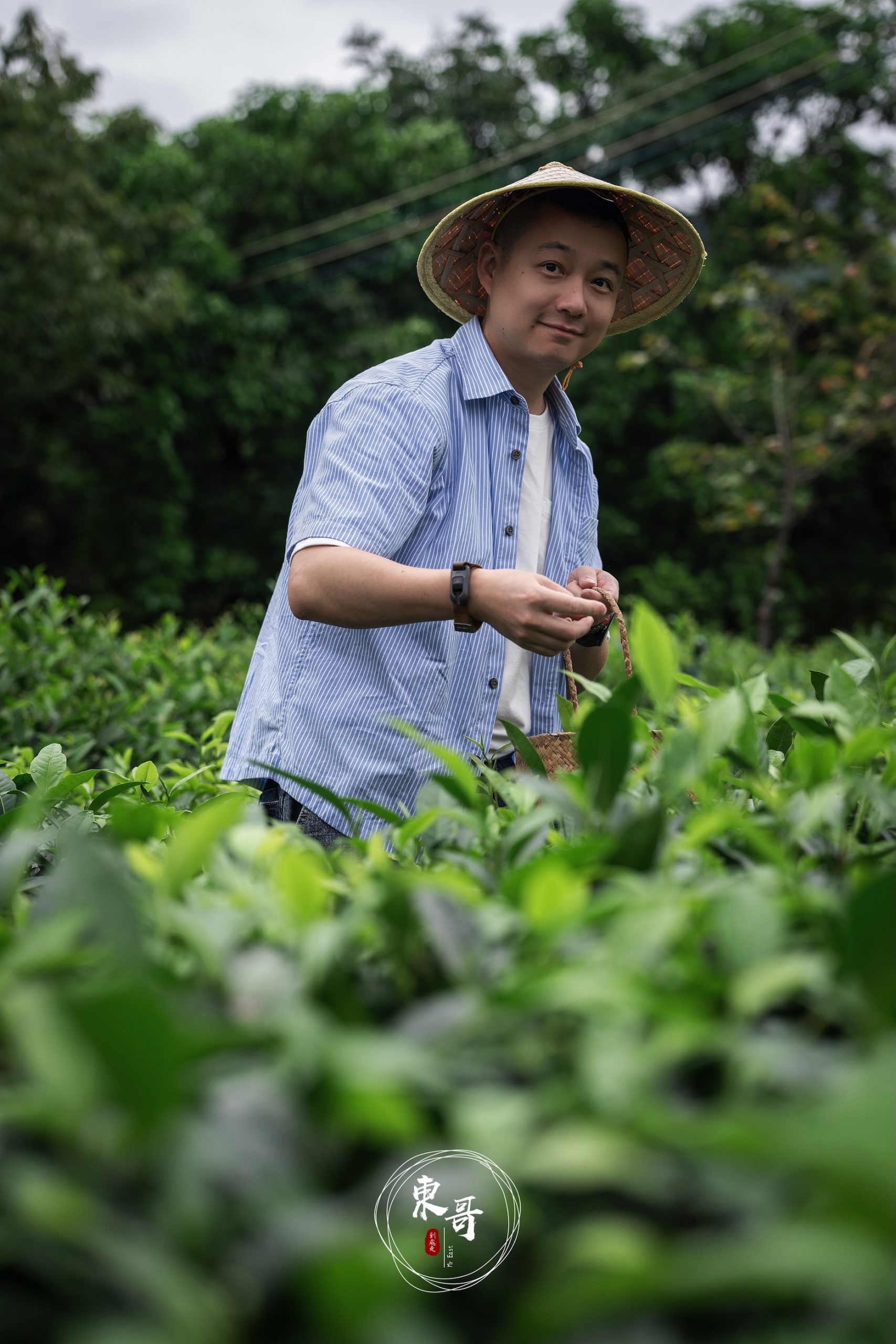


In the afternoon, we drove to the Yingde tea plantation and spent an entire afternoon getting our hands into the tea leaves. The moment we stepped into the plantation, we were surrounded by a sea of green, with the breeze carrying a subtle fragrance of tea. An experienced local master taught us hand‑picking – we had to select the standard “one bud with two leaves,” gently pinching the tender shoots without damaging the bushes. After gathering the fresh leaves, we moved to the tea‑making workshop, where we witnessed the full production process of Yingde black tea: withering, rolling, fermentation, and drying – each step requiring precise temperature and timing based on years of expertise.
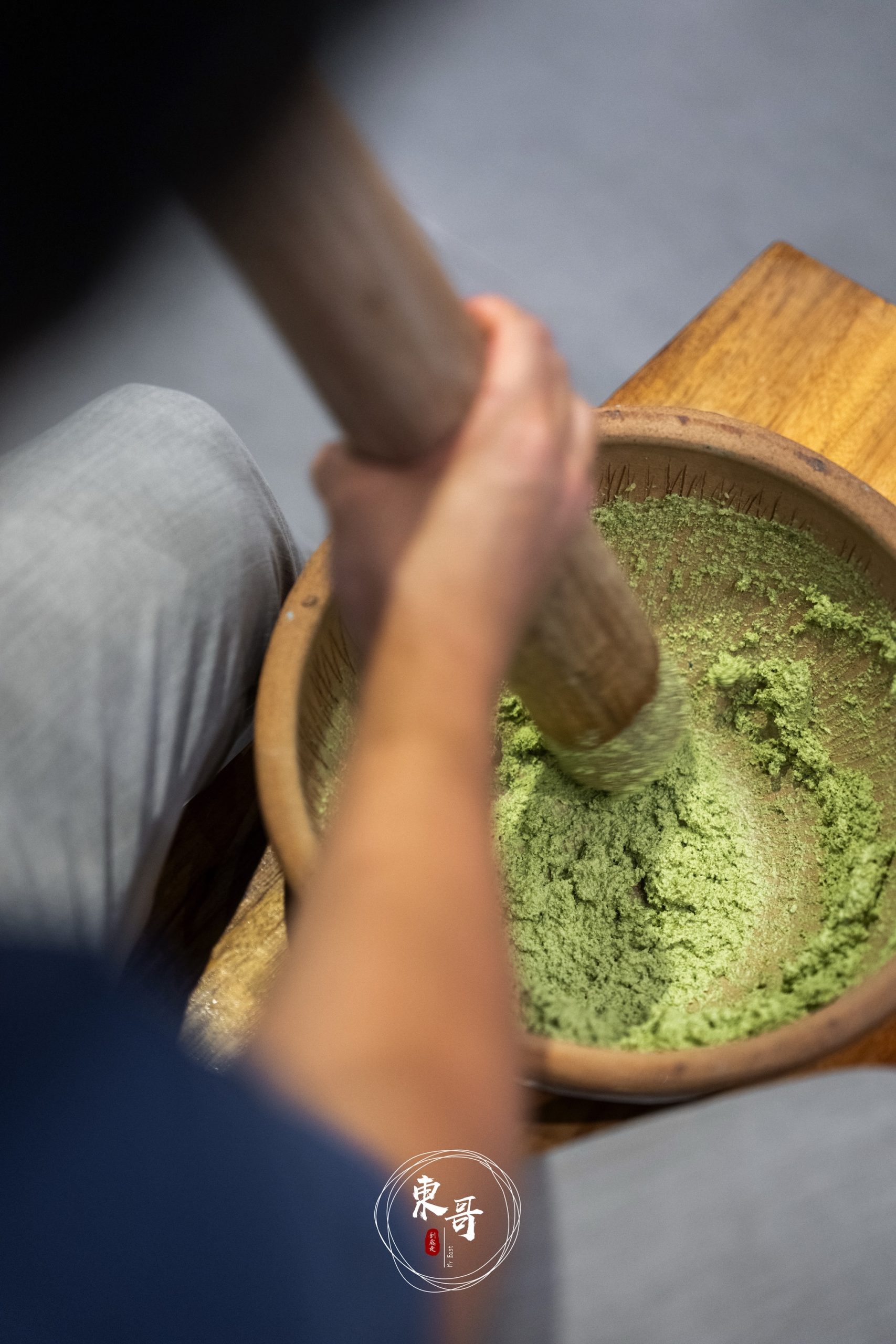
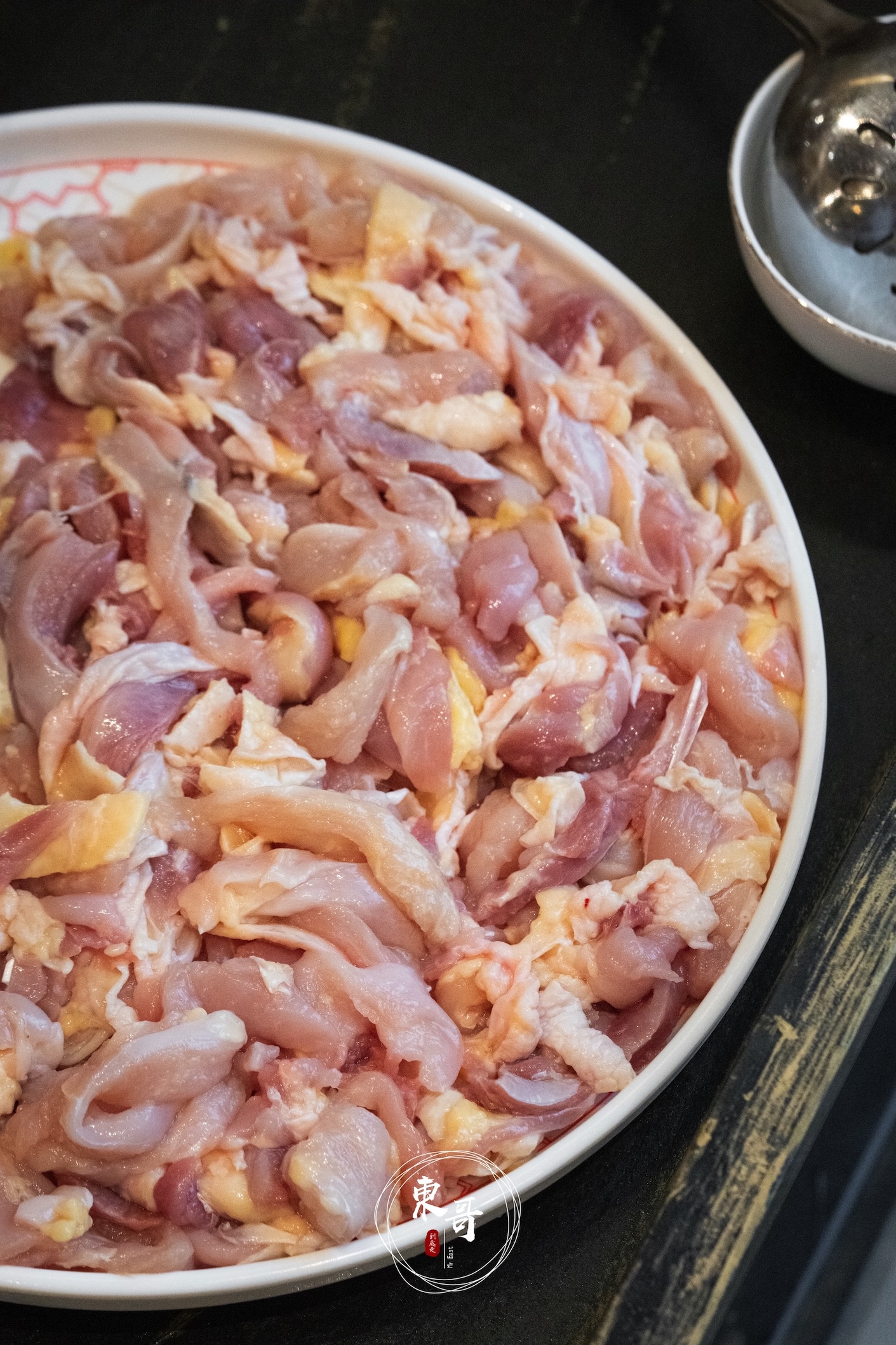
After a busy afternoon, the long‑awaited thunder‑tea hotpot awaited us in the evening – a perfect fusion of tea culture and cuisine. The broth was hand‑pounded in a traditional stone mortar, with tea leaves blended with peanuts and sesame seeds, resulting in a clear, smooth soup with a lingering tea‑infused sweetness. We swirled in the free‑range Qingyuan chicken and mountain vegetables we had seen at the market that morning. The chicken absorbed the tea broth, becoming tender and never greasy, and with two signature dipping sauces – one with black tea and one with green tea – each bite delivered a harmony of tea and meat that felt nothing like the heavy, oily hotpot you find elsewhere.

From the morning market bustle, to the afternoon tea‑plantation immersion, to the evening tea‑infused hotpot finale – New World Qingyuan Hotel is not just a place to stay. It feels more like a gateway connecting the mountains and the local life, allowing us to touch the ingredients with our own hands, learn the crafts ourselves, and come to understand Qingyuan’s character and customs at a slow, unhurried pace.