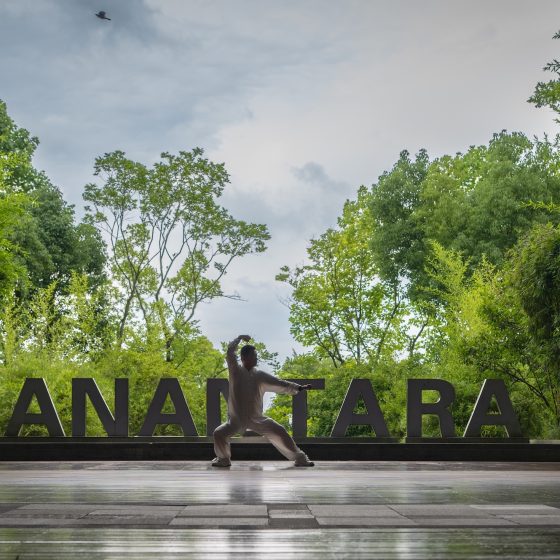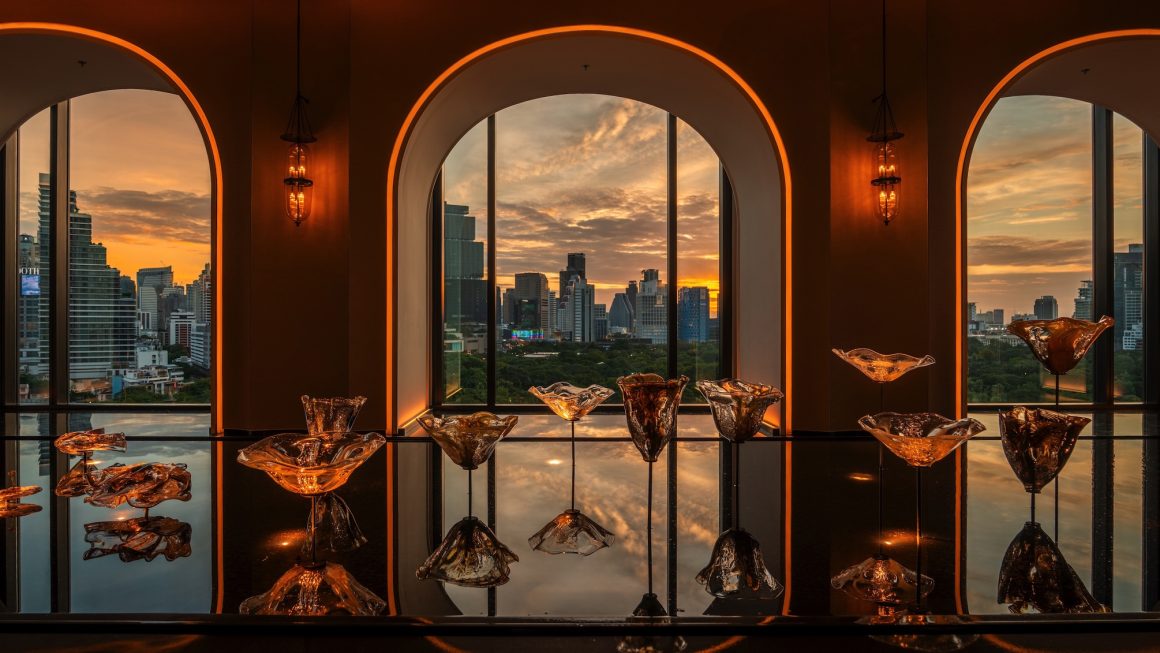
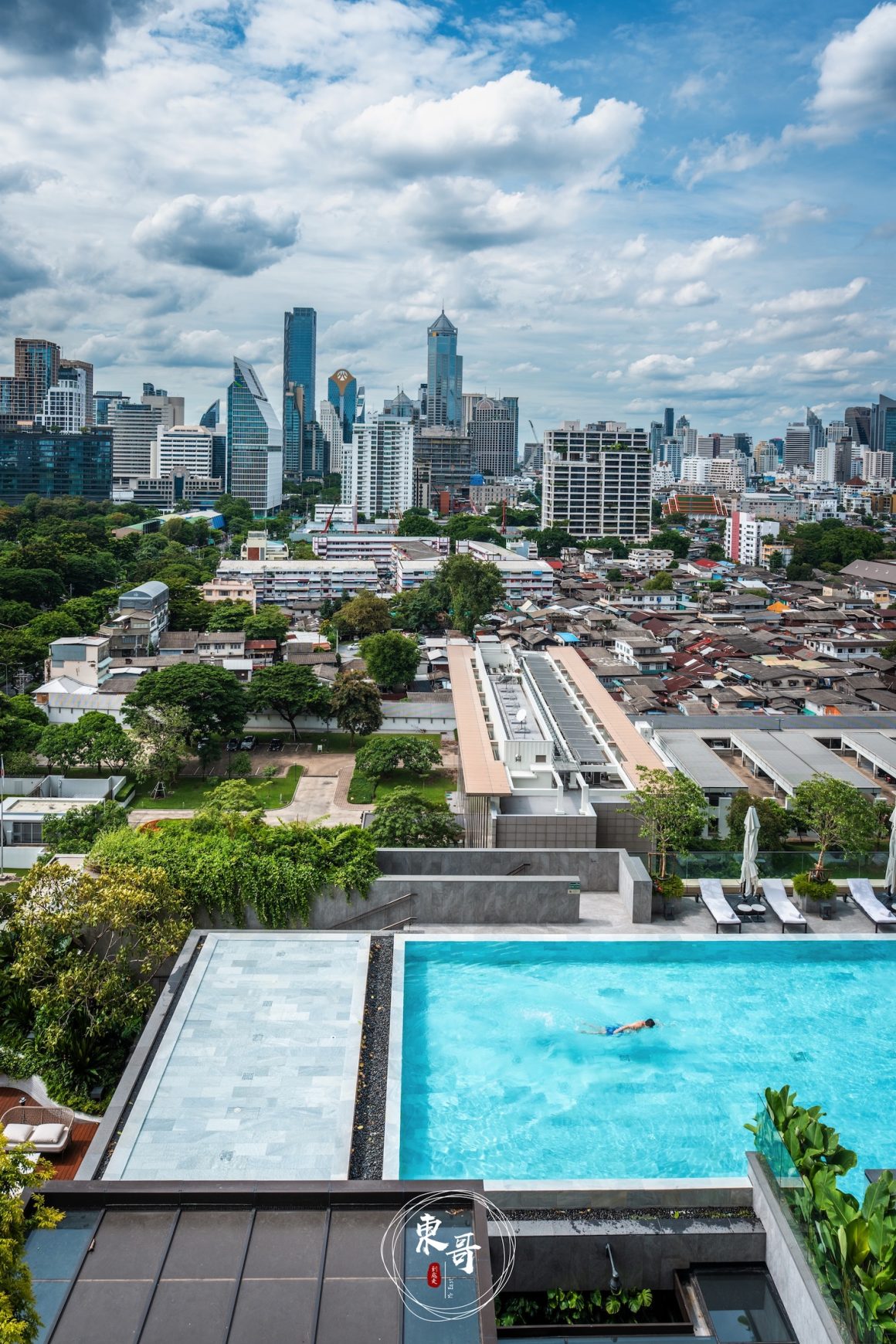
The design of The Ritz-Carlton, Bangkok is a gentle dialogue between Thai traditional culture and international diverse aesthetics. Its exterior is a collaborative work by Chicago-based SOM and Thai firm A49, while the interior spaces are meticulously crafted by Thailand’s top design studio PIA. With “the convergence of civilizations” as its core concept, it allows Bangkok’s historical heritage, contemporary vitality, and future imagination to flow naturally within the space.
The arrival lobby on the first floor continues the balanced aesthetics of avant-garde and warmth. The black-and-white color scheme sets a tone of simplicity and elegance, while appropriately warm-toned soft furnishings soften the coldness. It not only retains The Ritz-Carlton’s iconic elegance but also conveys a cozy warmth like returning home. On the tall cabinets, various artworks are displayed in a staggered manner, resembling private collections in a prestigious drawing room. They showcase taste while avoiding a cluttered feel with well-placed negative space, each piece exuding an understated elegance.
The artwork Silver Hurricane directly opposite the entrance deconstructs the duality of Thai culture through contemporary artistic language. The reflective nature of the metal blurs the boundary between the work and the environment, seamlessly integrating art with the space, yet its unique form asserts its own existence. This expression, with ingenuity hidden in humility and interest in restraint, vividly reflects the charm of Thai culture.
Stepping out of the elevator onto the lobby floor, the lotus pond created by emerging artists immediately catches the eye. Inspired by Thai noble courtyards, in the black water, lotus flowers either bud like shy whispers or bloom freely like passionate expressions, unfolding a dual baptism of vision and soul in tranquility.
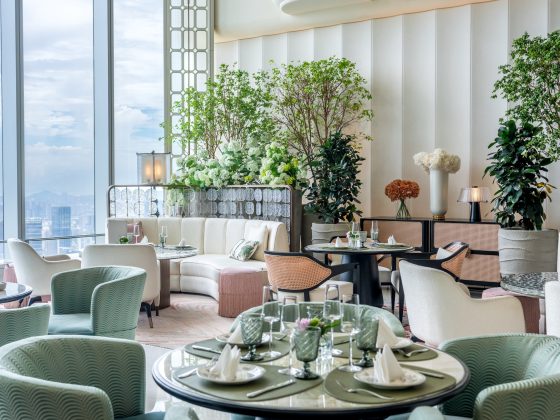
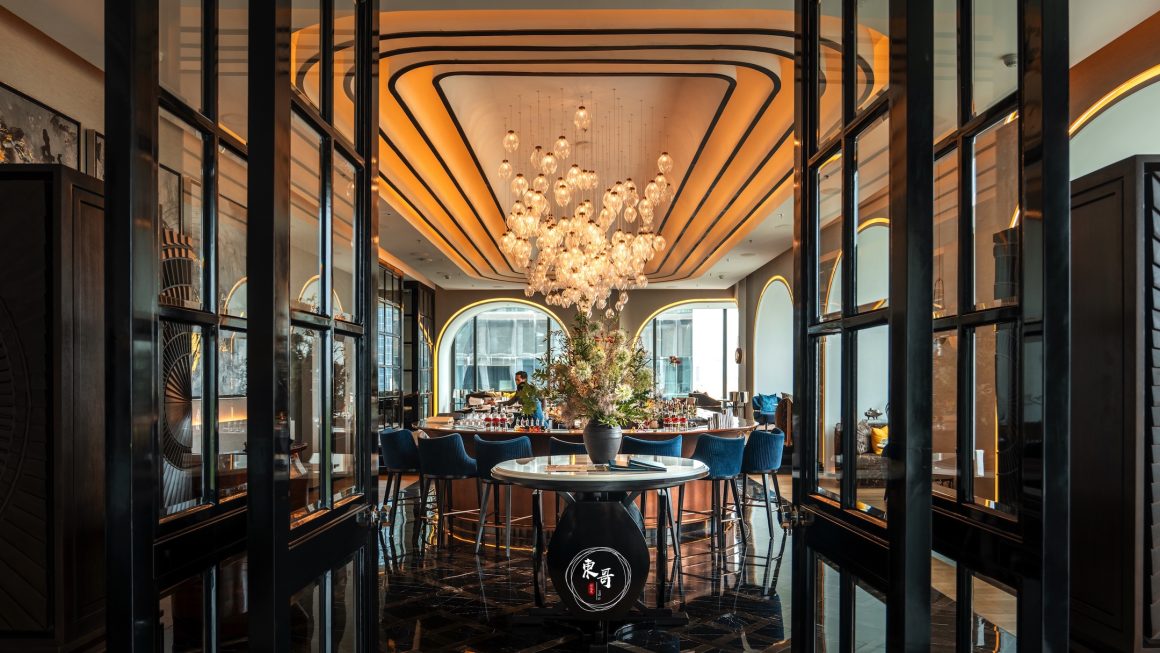
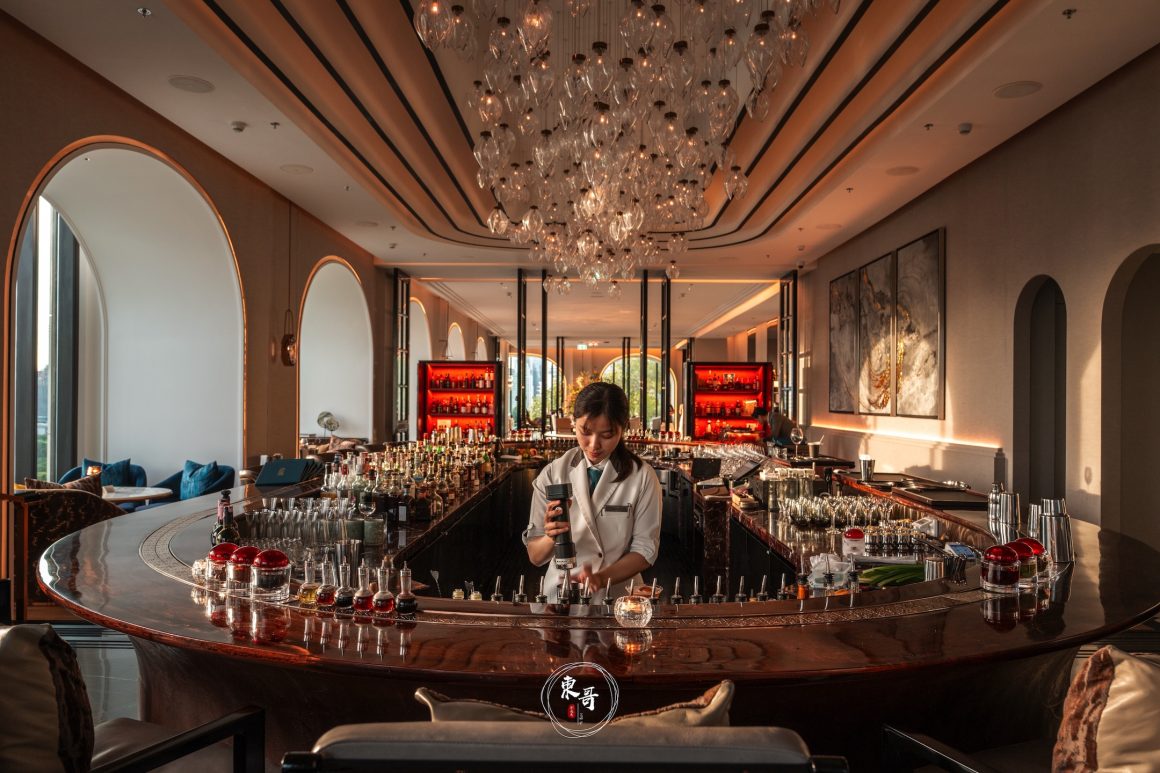
In the lobby, the warm luster of exquisite lacquerware, the cultural codes in subtle patterns, the elegant atmosphere of soft colors, and European-style luxurious decorative elements interweave, creating harmonious sparks from the collision of Eastern and Western aesthetics. The particularly eye-catching chandeliers follow the classic outline of traditional Thai lamps but reconstruct the material language with modern metal and crystals. The light refracts through the crystals into colorful halos, interacting with the surrounding environment, achieving a perfect resonance between traditional forms and contemporary craftsmanship.
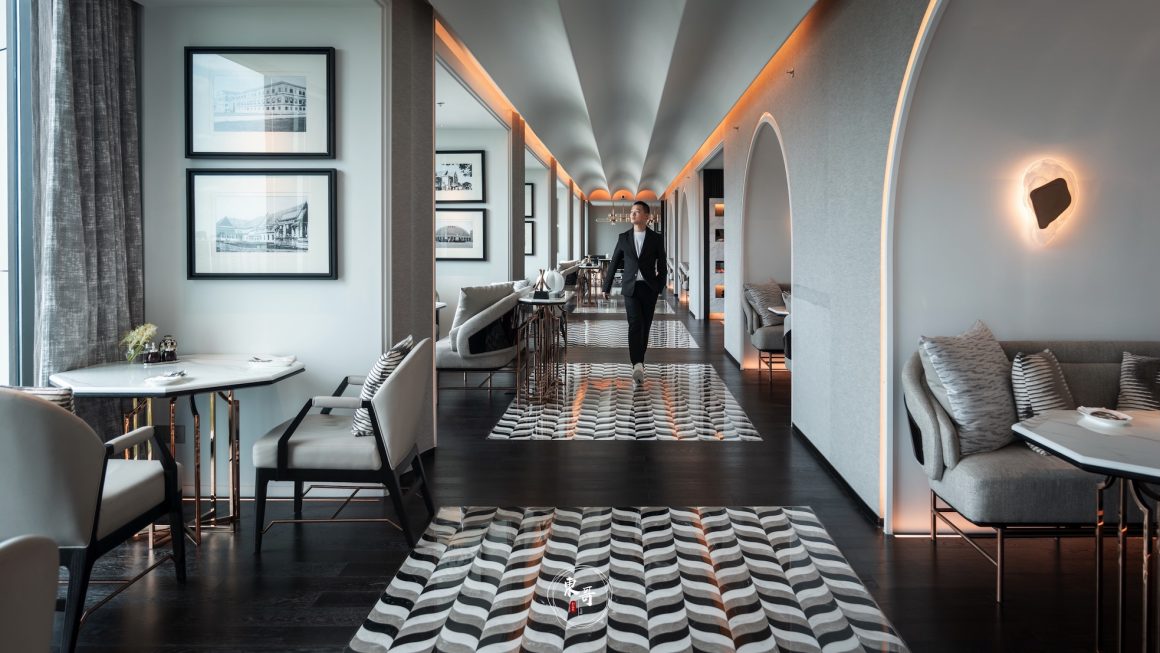
The artistic atmosphere in the public areas is ubiquitous. Paintings by local Thai artists are interspersed throughout, themed around natural scenery and traditional culture, interpreting the traditional core with modern brushstrokes. This makes “the integration of tradition and modernity” not just a design concept, but a tangible visual experience.
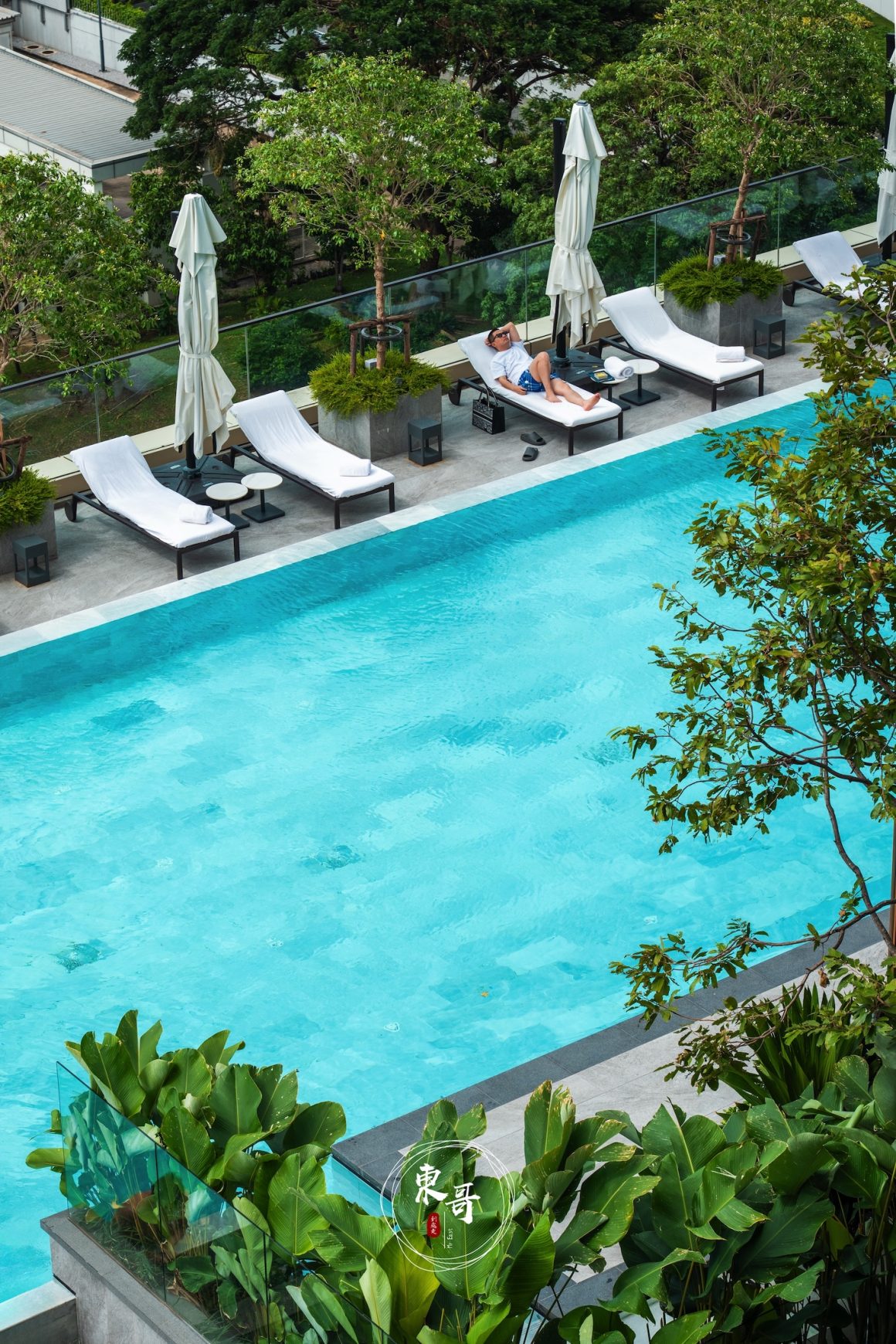
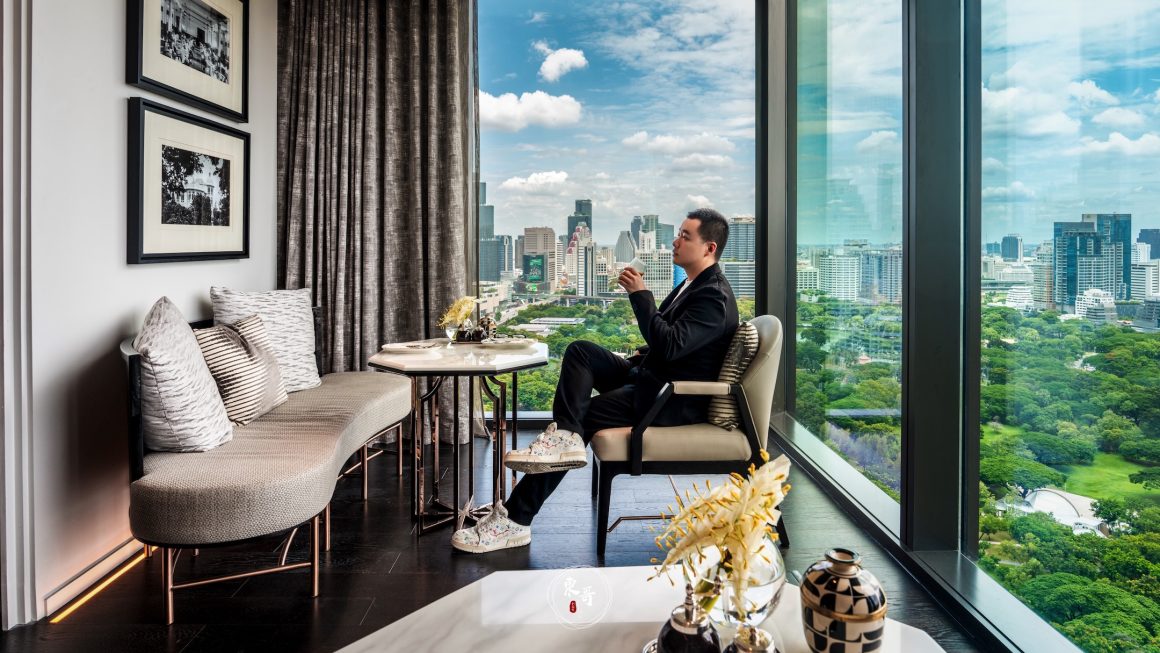
The wonderful adjacency between the hotel and Lumphini Park infuses the space with the soul of nature. Most floor-to-ceiling windows frame the park’s quiet lawns and clear lakes, where lush greenery forms a sharp contrast with the urban hustle and bustle, enclosing an oasis of tranquility amidst the centre in the busy city.
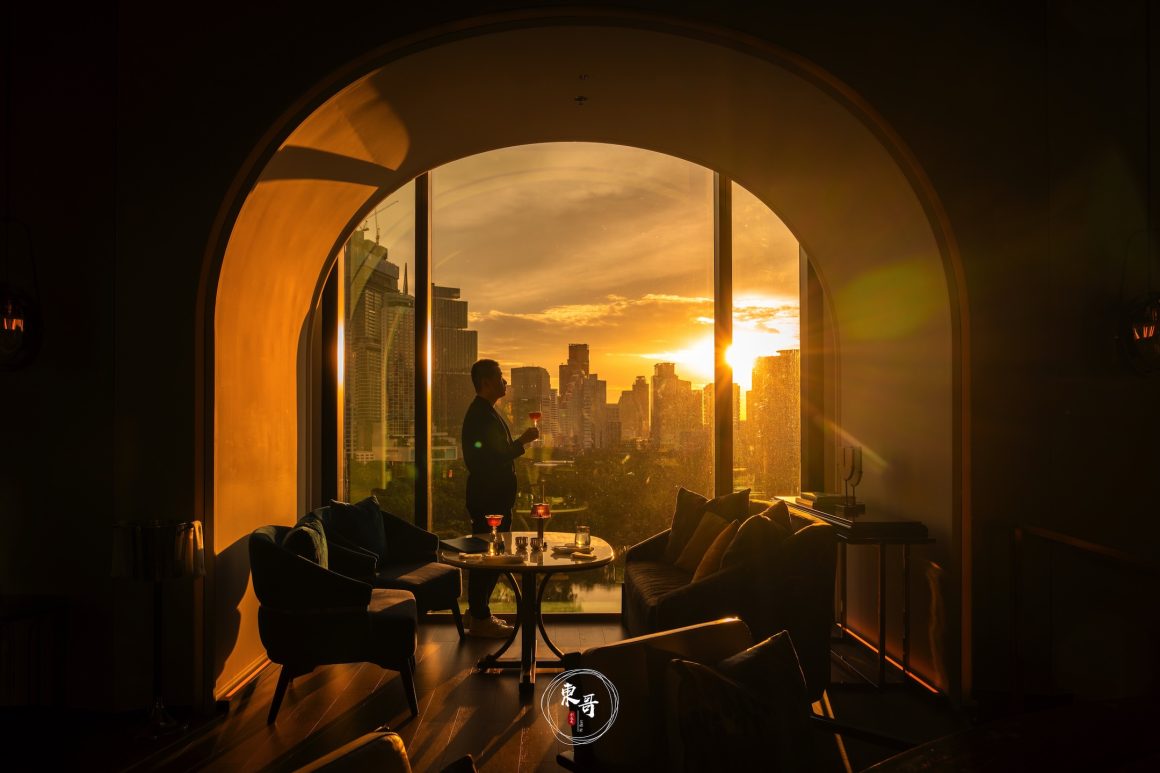
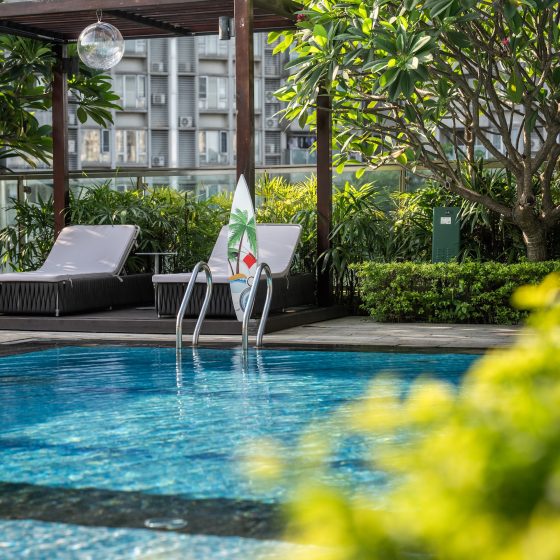
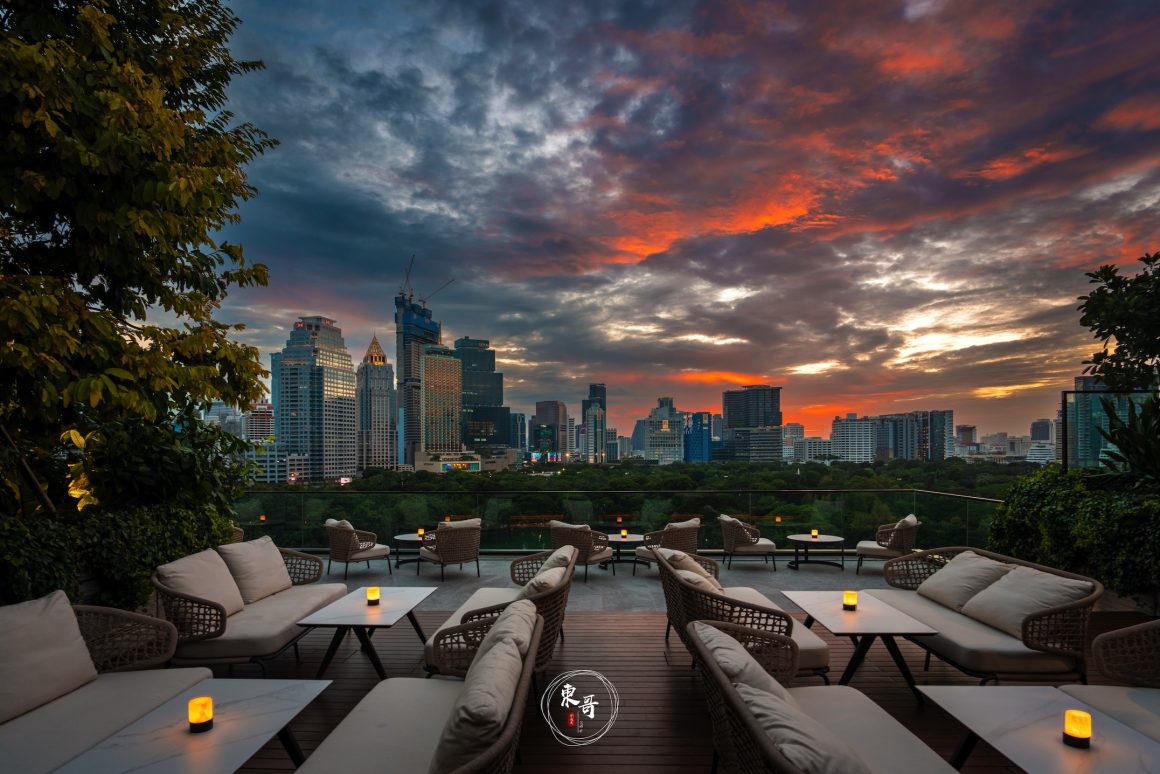
Looking out from the 7th-floor outdoor terrace, the morning sun gilds the lake surface with shimmering gold, and the evening sunset drapes the park in a golden veil. As light and shadow shift between day and night, the dialogue between the city and nature becomes increasingly fascinating.