As its name suggests, Amantaka carries profound cultural resonance: “Aman” means “peace” in Sanskrit, while “taka” is derived from Theravada Buddhism’s “Tripitaka,” symbolizing the teachings of Buddha. This name acts like a mystical incantation, painting a picture of a poetic haven away from the world’s hustle—a perfect reflection of the hotel’s soul. Thus, during my final days in Luang Prabang, I chose to stay at Amantaka, a place where European refinement intertwines with Lao tranquility.

Strategically located on a peninsula in central Luang Prabang, south of Mount Phou Si and mere meters from the Mekong River, Amantaka offers unparalleled convenience. Many attractions are within walking distance. The property’s architecture dates back to 1901–1910, originally built during French colonial rule. It once served as a government building, medical center, and even the residence of Prince Boun Khong in 1923.
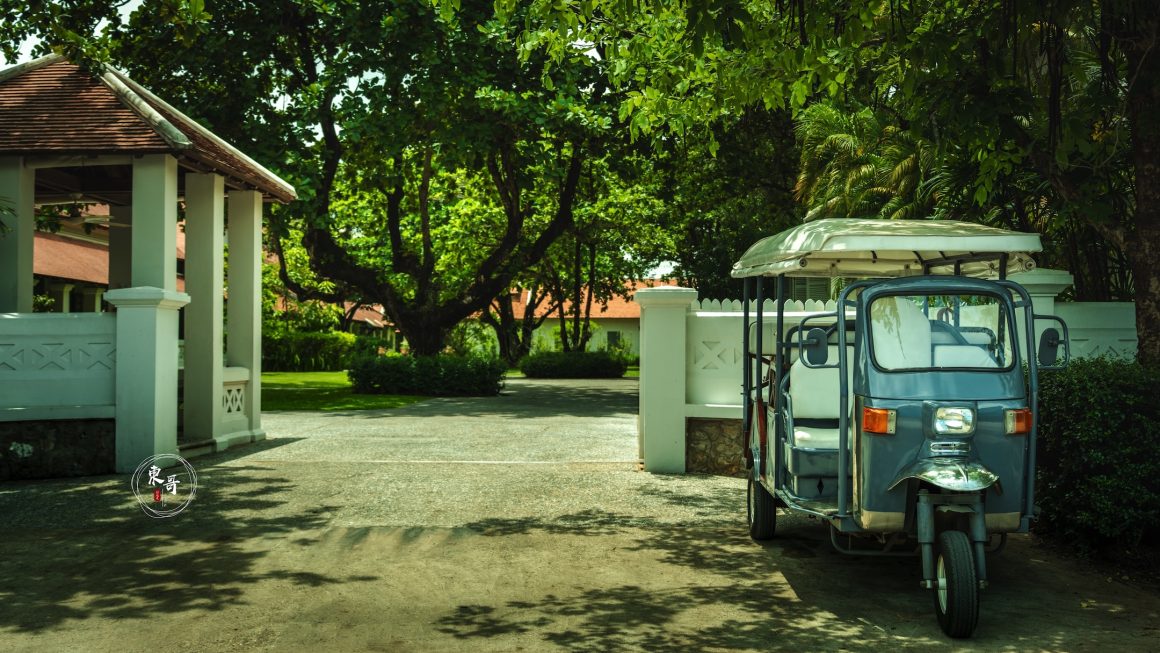
Since its opening in 2009, Amantaka has done more than restore a historical enclave—it has revived a way of life. While time has redefined its purpose, its essence as a sanctuary endures. The contemplative courtyards of the past remain oases of calm. Amantaka offers a retreat where the old and new harmonize in quietude.

Upon entering, every detail reflects a commitment to preservation and harmony. The estate’s grand buildings, once at the heart of the town’s history, have been meticulously restored using traditional techniques and historically respectful materials. The elegant facades, lofty ceilings, and breezy balconies have been carefully renovated, while lush gardens and serene courtyards create a peaceful haven.
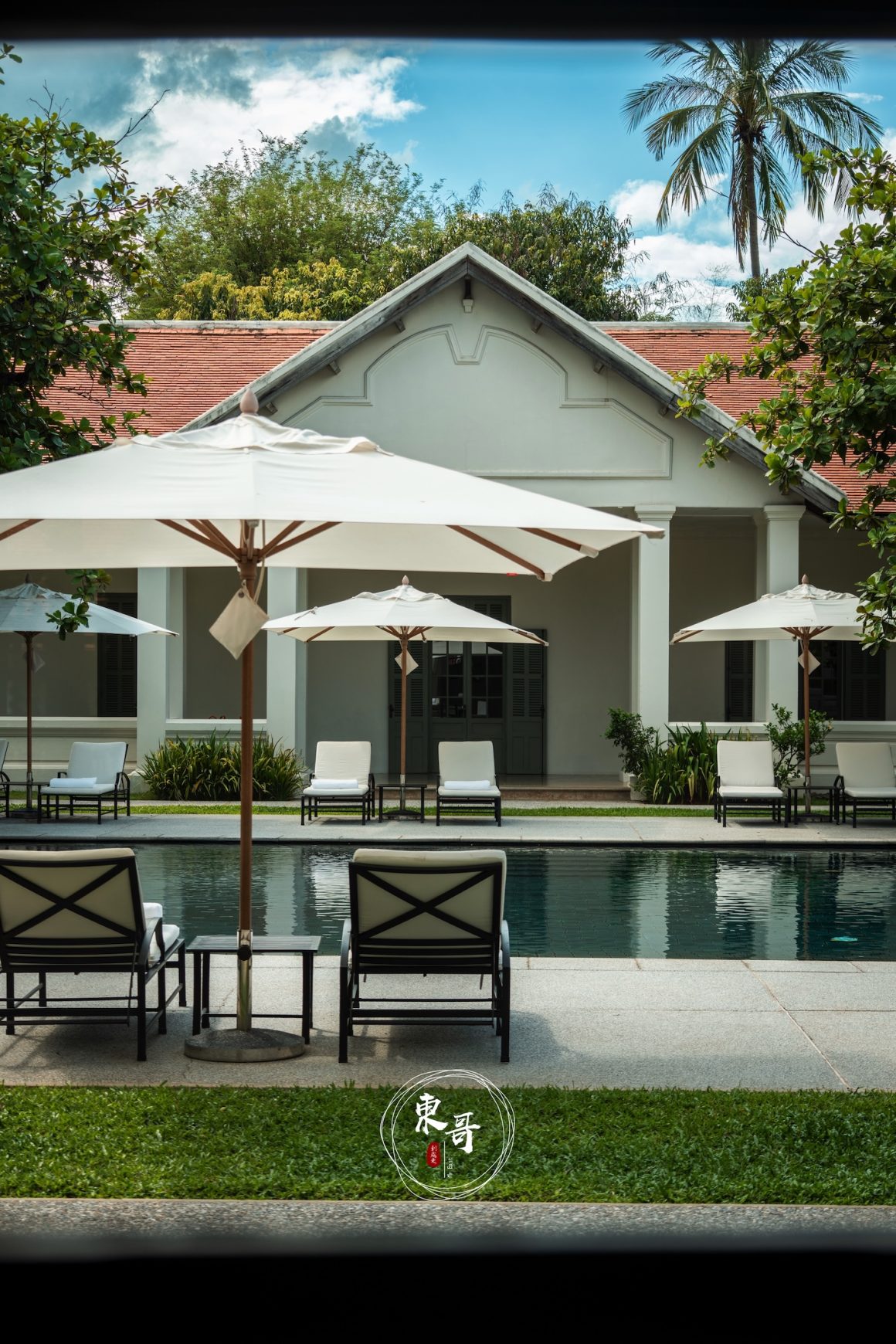
Ten buildings on the estate fall under UNESCO World Heritage protection. Preserved with precision, they are complemented by new pavilions designed to blend seamlessly with the historical landscape. This restoration not only safeguards the colonial charm but reimagines the estate as a realm of timeless beauty, inviting travelers to immerse themselves in Luang Prabang’s cultural core.

Here, French colonial influences merge with the region’s gentle rhythms and spiritual traditions. Low-lying white buildings, shaded by towering mango trees, encircle tranquil courtyards, exuding serenity and elegance. Spacious balconies, high wooden ceilings, and louvered windows facilitate natural ventilation, embodying an enduring appreciation for space and light.