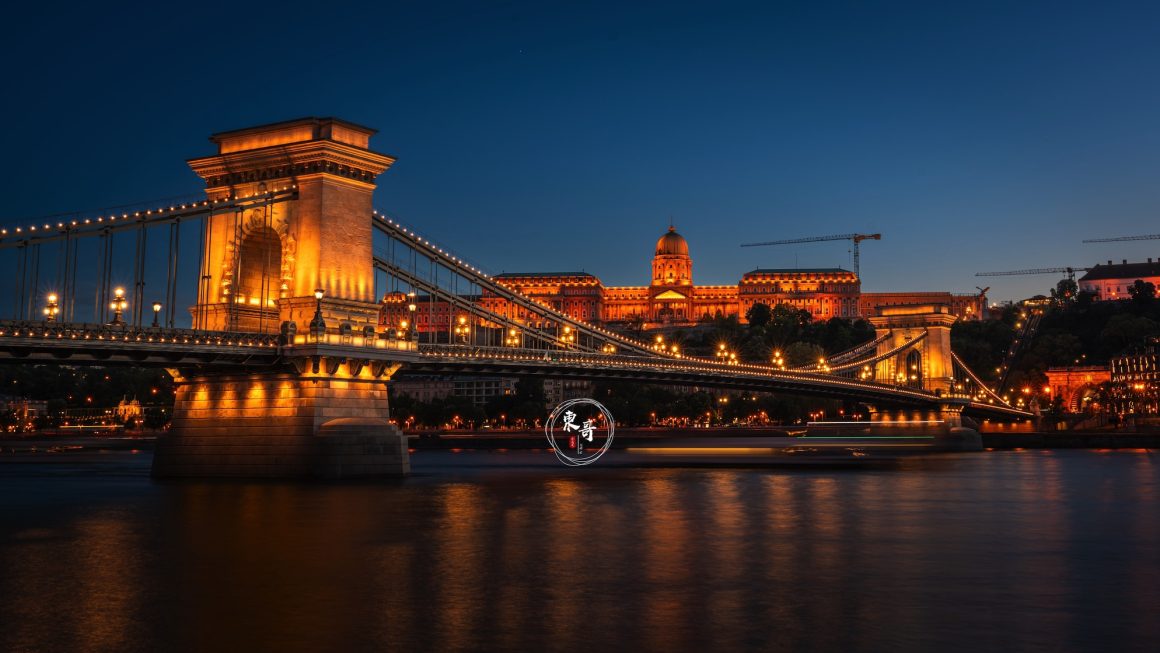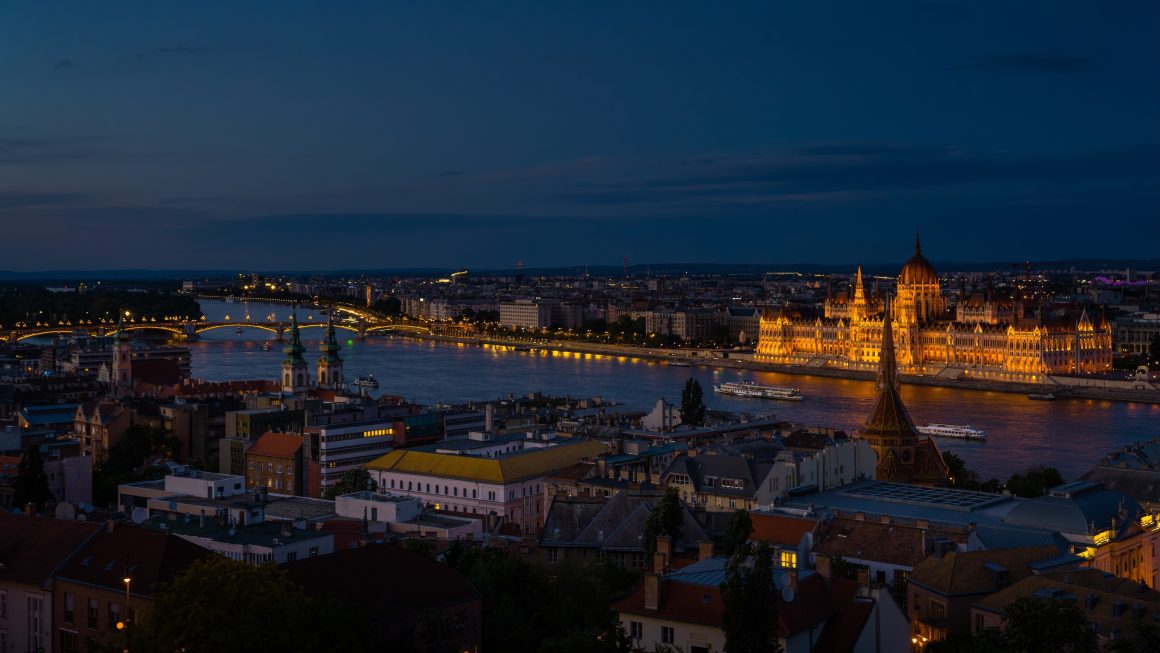
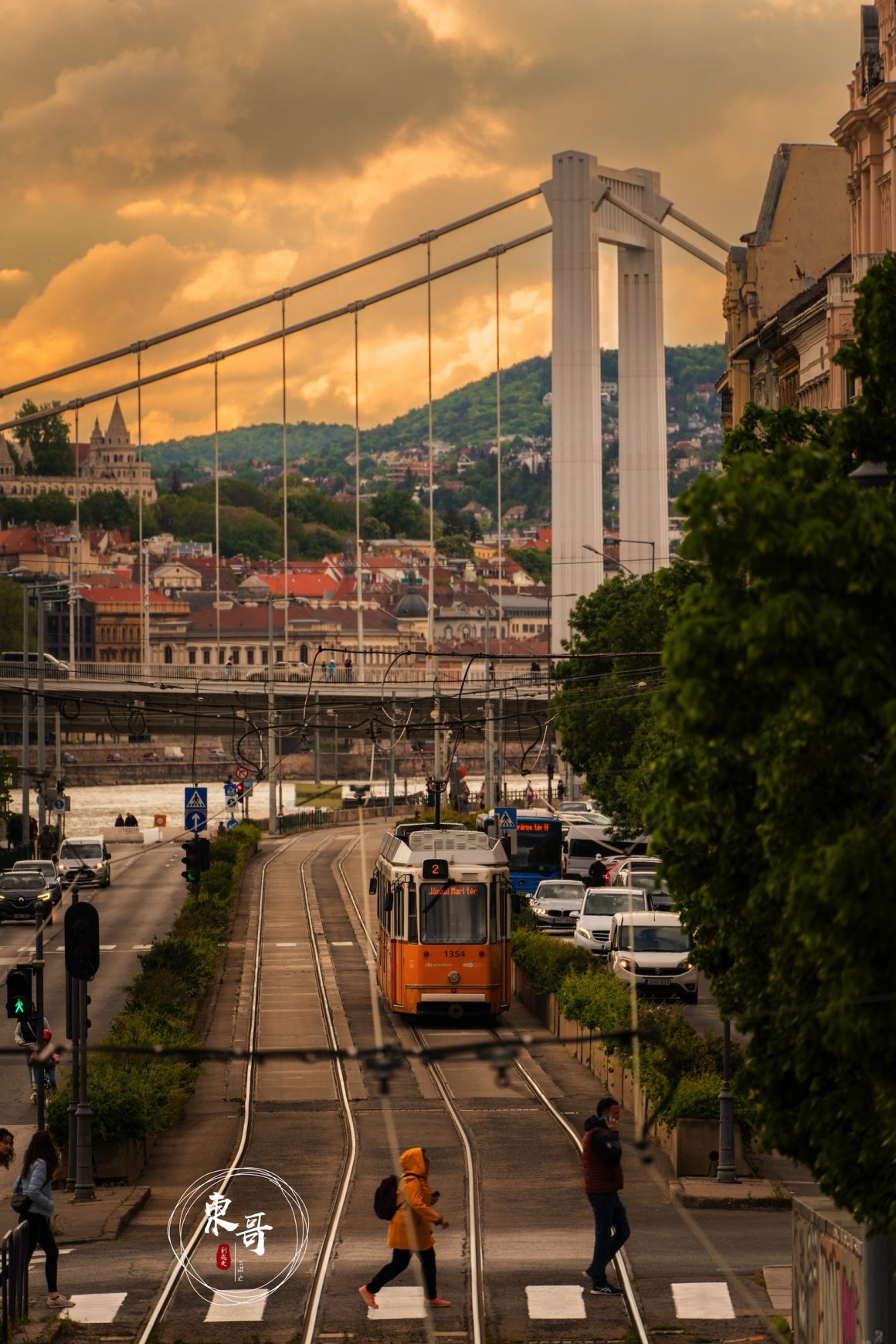
Experience the vibrant and romantic Danube River with a Viking River Cruise through Europe’s inland waterways. The journey begins at the first stop, the pearl of the Danube, Budapest.
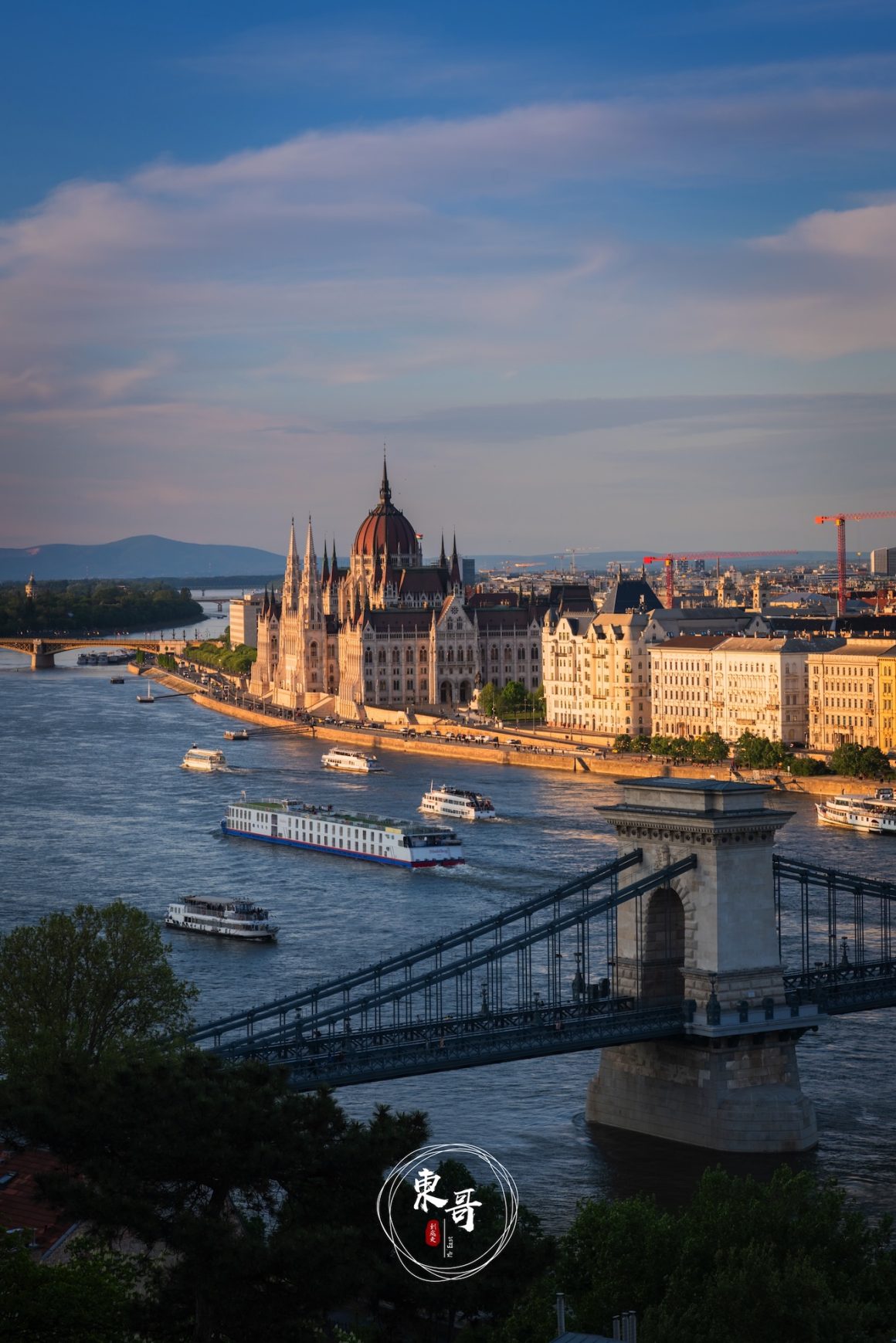
From the dock, board Viking Cruises’ exclusive coach for a leisurely tour of Budapest. For Chinese tourists, the trip is enhanced with professional Chinese-speaking guides to better experience the entire journey.
The leisurely tour starts in the streets and alleys of Pest, where the unique charm of this old city can already be felt. Landmark buildings such as Heroes’ Square, and the Central Market all appear before your eyes.

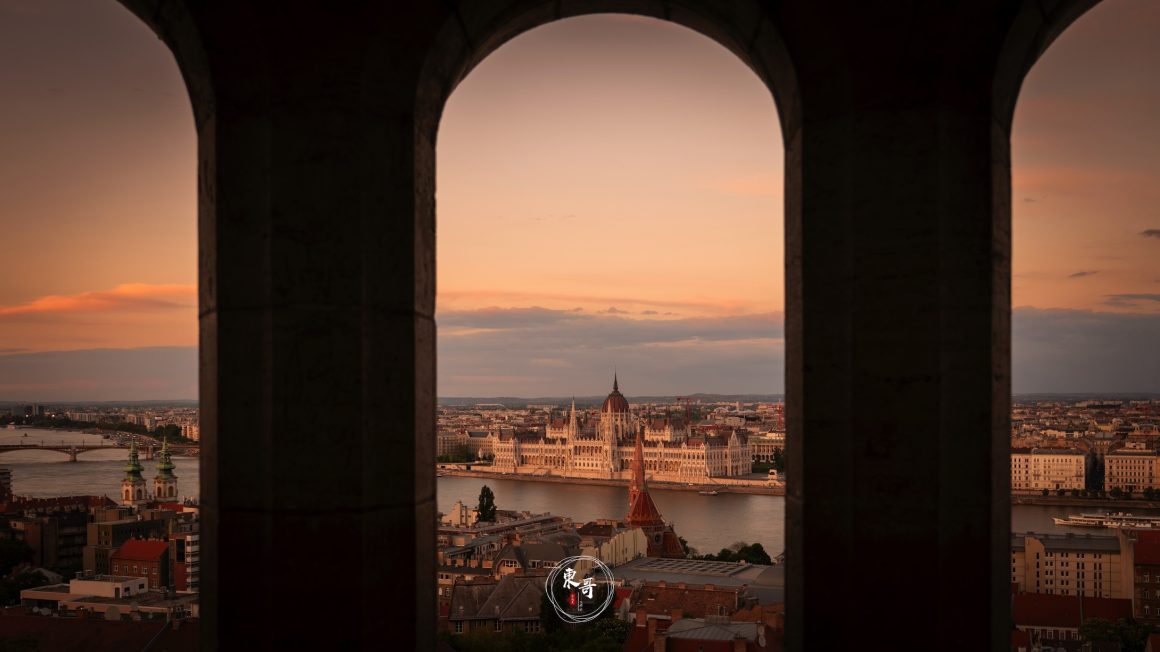
Crossing the Elisabeth Bridge, built in honor of Empress Sisi, you arrive at Buda, known for its hilly terrain. The grandeur and magnificence of Matyas Templom leave a deep impression, while the sunset at Fisherman’s Bastion is unmatched in its beauty. Truly, the pearl of the Danube lives up to its name!
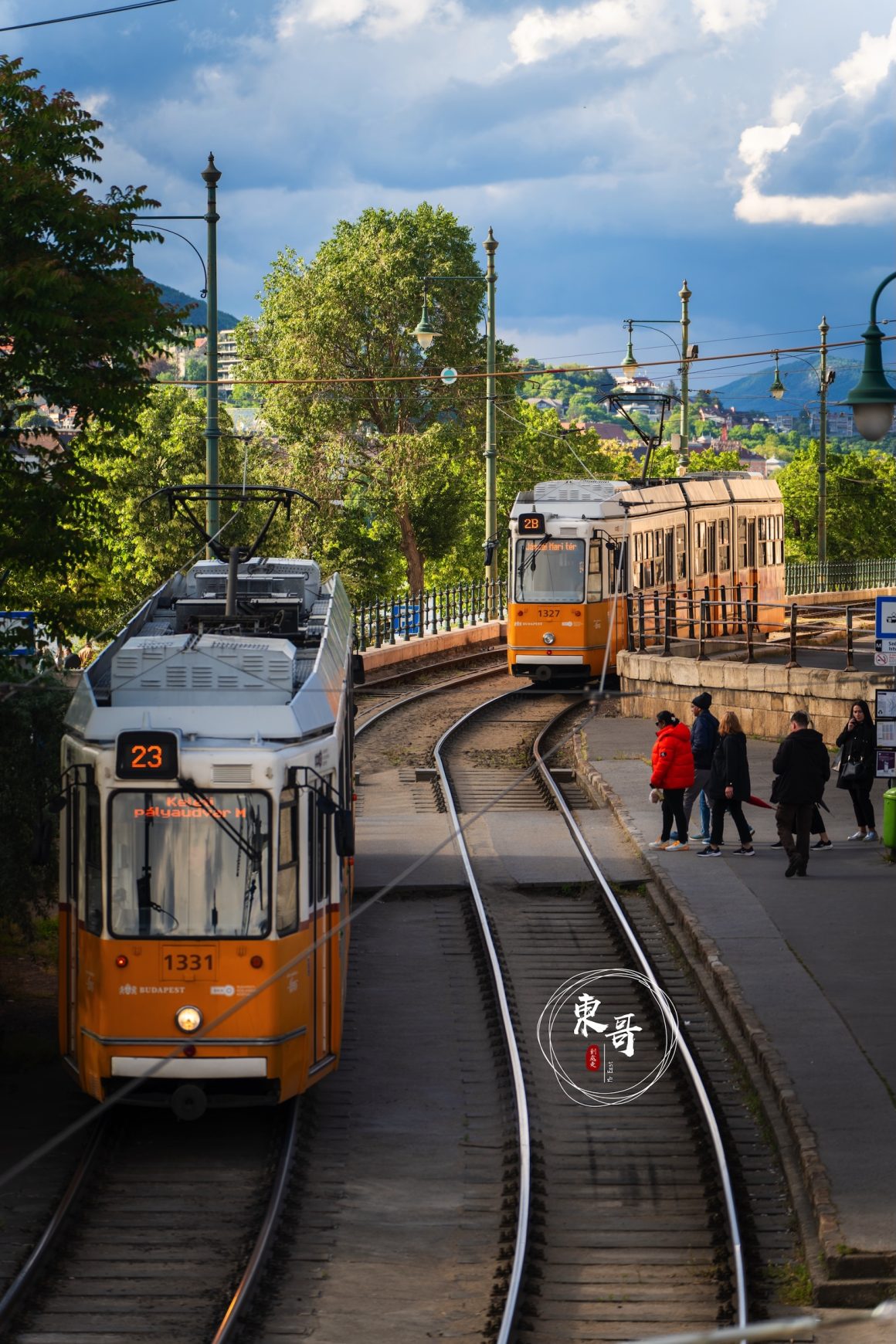
Departing from Budapest, it takes about ten hours aboard a Viking River Cruise to reach the second stop on this Danube journey—Bratislava, the capital of Slovakia. This city, once the capital of the Kingdom of Hungary, is now one of the smallest capitals in Europe by area. Located in southwestern Slovakia on the left bank of the Danube River, it borders both Austria and Hungary, making it the only capital in the world to border two countries.
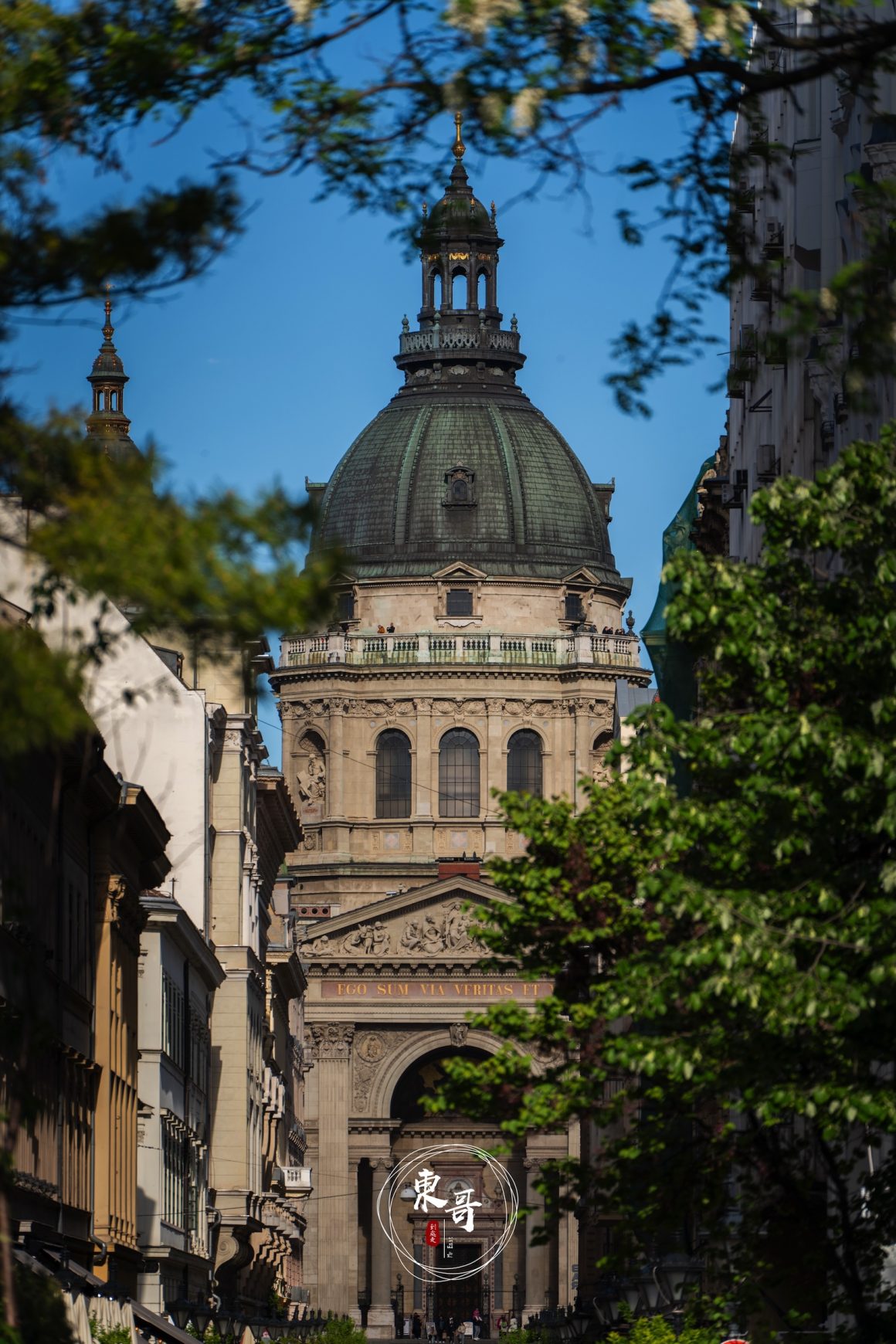
The Viking Cruises dock is conveniently close to Bratislava’s Old Town, and within a few minutes’ walk, you can start exploring the city’s rich history. Trams traverse the city, instantly transporting you to the old European era. St. Michael’s Gate, the only preserved gate of the medieval fortifications, is the oldest building in the city.
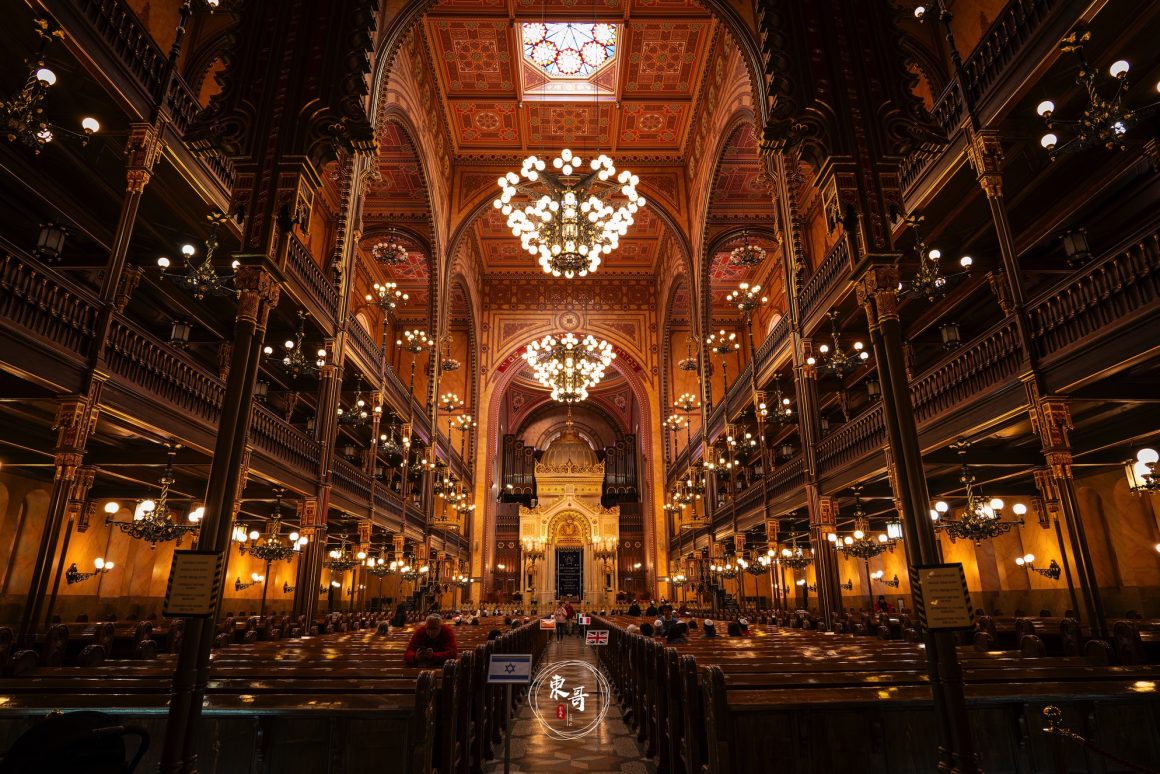
Bratislava’s Old Town is characterized by numerous Baroque palaces. The Grassalkovich Palace, built around 1760 by order of the Hungarian Parliament leader Count Grassalkovich, was rebuilt in 1996 and now serves as the Presidential Palace of Slovakia. The most famous church here is St. Martin’s Cathedral, a Gothic structure built between the 13th and 16th centuries. From 1563 to 1830, it served as the coronation church for the Kingdom of Hungary.